


Metal planters help you create structured planting features for patios, entrances, courtyards and roof terraces, with a finish that suits UK outdoor conditions. This category includes 3mm corten steel planters, 3mm PPC mild steel planters and 4mm PPC aluminium planters, plus selected accessories.
If you are specifying for a Chelmsford garden or an Essex hospitality frontage, the key is getting the right material and finish direction for your site exposure. Browse the range below, or if you need exact dimensions, share your measurements and request an estimate.
-

3mm Corten Steel Planters
From £500.00 -
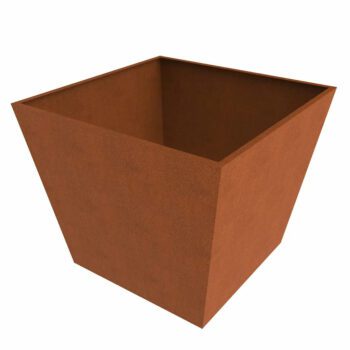
3mm PPC Mild Steel Planters
From £325.00 -

4mm PPC Aluminium Planters
From £345.00 -
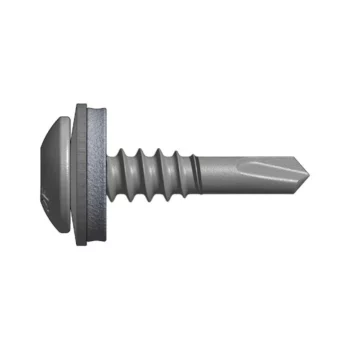
Colour Coded Fastener (Metal) – Pack of 25
£25.99 (£31.19 In VAT) -

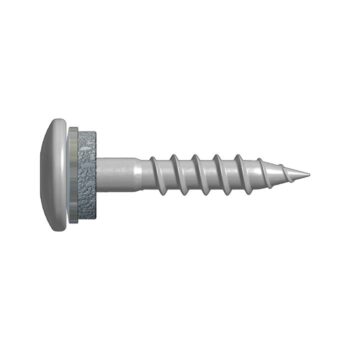
Colour Coded Fastener (Timber) – Pack of 25
£25.99 (£31.19 In VAT) -
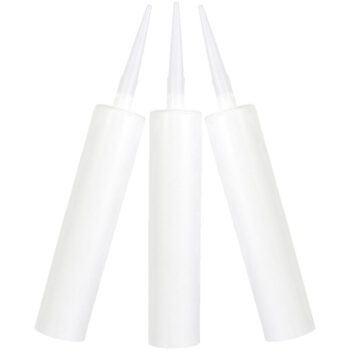
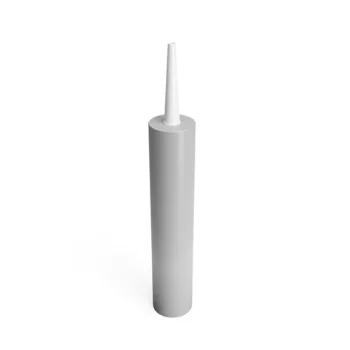
Colour Coded Sealant – 300ml
£16.99 (£20.39 In VAT) -
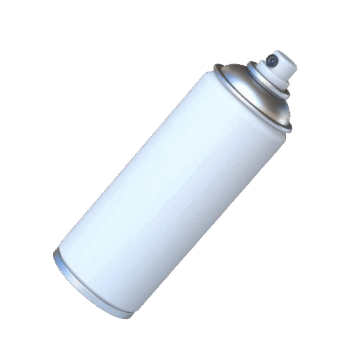
Spray Can
£21.99 (£26.39 In VAT) -

Touch Up Paint
£12.00 (£14.40 In VAT)


What this Metal Planters category includes
On this Metal Planters category page, you’ll find planters manufactured for outdoor use, including:
- 3mm Corten Steel Planters, made from pre-weathered steel that develops a patina outdoors
- 3mm PPC Mild Steel Planters, with a polyester powder coated finish on mild steel
- 4mm PPC Aluminium Planters, with a powder coated finish and lighter handling
Depending on the subcategory you choose, these metal planters can be used as raised bed planters, trough planters, tall metal planters, and larger architectural outdoor planters. You’ll also see accessories such as touch-up options and colour matching items, which are useful when you are coordinating an external palette.
Common uses for metal garden planters
Metal planters are specified for both domestic and commercial landscaping because they add clear structure to planting areas. Typical applications include:
- entrances and reception courtyards
- patio seating zones
- repeat planting runs in commercial developments
- roof terraces and other elevated outdoor spaces
In areas with frequent rain or where planters sit close to paving, it’s worth thinking about water run-off and how the planter’s finish interacts with the surrounding surface.

Why aluminium can be a practical exterior choice
If you are choosing aluminium planters for a project, it can help to know why contractors and specifiers rate the material. Aluminium is the lightest option in this range, which can make handling and site coordination more straightforward. If you’re comparing aluminium against other outdoor materials, see benefits of aluminium planters for garden use considerations.
Standard vs bespoke metal planters
Some projects work well with standard heights and base sizes, including commonly ordered options such as 450mm, 500mm, 600mm and 750mm and base configurations like 500mm x 500mm or 1000mm x 500mm (where shown on the relevant product pages).
Bespoke is the better route when:
- the planting layout needs exact spacing or geometry
- you have a site constraint (odd corners, tight clearances)
- you need coordinated finish direction across multiple exterior elements
When that’s the case, it usually makes sense to request an estimate with your measurements and any photos or drawings you have.

Material direction and finish choices (what affects the end result)
If you’re browsing metal planters UK options, material direction often matters as much as colour.
- Corten steel planters (3mm) are specified for their weathering character. The final look depends on exposure and placement. If you’re working on an architectural planting scheme, this is also why you’ll often see corten referenced in professional projects via corten steel planters for architectural projects.
- PPC mild steel planters (3mm) suit projects where you want a powder coated finish and a more controlled visual direction. The dedicated product range is here: PPC mild steel planters.
- PPC aluminium planters (4mm) are typically chosen where lighter handling is useful and where you want colour to coordinate with other exterior finishes. You can explore the full set via PPC aluminium planters.
What to prepare before ordering (helps prevent rework)
Before you order, or before you ask for pricing, confirm the details that affect the specification:
- planter type (trough, raised bed, tall planter, large statement planter, etc.)
- overall dimensions, including max length and max width
- required height
- base size if selecting a standard configuration
- drainage approach: whether you need drainage holes, and whether you will use a liner
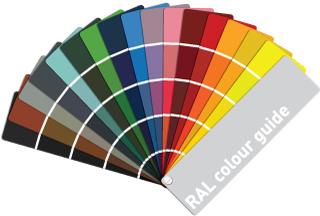
- finish direction (for example black, grey, white, corten tone, or a defined RAL where specified on products)
- placement and exposure (especially if the planter sits on paving close to a building edge)
If your planter is placed on paving, also consider staining risk and how water run-off flows across the area. This is particularly relevant with corten finishes, where early weathering run-off can mark some porous surfaces.
How this fits with wider external detailing
For roof terraces or planted roof edges, planters can sit alongside other exterior systems. If your project includes external planted details, it can help to look at relevant edging and retention components such as aluminium green roof edge and aluminium green roof edge so the landscaping build-up stays consistent.
If you want more general planting layout support, start with the buyer guide garden planters guide.
When to request an estimate
Request an estimate if you need bespoke dimensions, a specific finish direction to match an exterior palette, or a planter configuration that is difficult to match from standard formats. Include your measurements and any drawings, plus your drainage and liner approach, so the quote matches your intended build.
For architects and contractors, you may also want to reference NBS specification support when compiling project documentation.
If you need reassurance around ordering and delivery planning, review UK shipping information and product policy.
Frequently asked questions about Metal Planters
Are metal planters bad for plants?
No, not automatically. Results depend on soil depth and planning for drainage. A liner may be useful depending on your setup.
Are metal planters good for plants?
Yes. Many people choose metal planters for structured planting, especially when drainage and watering are planned from the start.
Do metal planters get too hot?
Metal can warm in strong sun, which varies by colour and exposure. If you have heat-sensitive planting, plan planting media and placement accordingly.
Do metal planters rust?
It depends on the material. Corten develops a weathering patina, while PPC mild steel and PPC aluminium use coatings to support outdoor performance.
Can metal planters be made bespoke?
Yes. If you need custom dimensions or tailored shapes, request an estimate with your measurements or drawings.
What measurements do I need to order metal planters?
Share the planter type, overall dimensions (including max length and width), height, and your preferred material and finish direction. If drainage or a liner is part of the plan, include that too.
Do you supply metal planters across the UK?
Yes, this range is for UK projects. If you want help confirming suitability for your site, use request an estimate.
Request a free estimate for metal planters
If you want accurate pricing and the right specification for metal planters, request an estimate via request an estimate or Send your details to info@metal-profiles.co.uk (including client name, contact details, project address, products required, and thickness).
If you need local project support in Essex, you can contact Metal Profiles Ltd at Highlands Farm, Southend Road, Rettendon Common, Chelmsford, CM3 8EB.
Include:
- planter type (3mm corten, 3mm PPC mild steel, or 4mm PPC aluminium)
- required dimensions
- finish direction/colour
- drawings or photos (if available)
- your delivery timeline