



Cheapest Aluminium Coping: What Buyers Really Need to Compare
A homeowner planning a new parapet wall on a flat roof extension, or a contractor pricing a boundary wall on a commercial site, often starts by trying to keep the top edge cost under control. That search for the cheapest aluminium coping is understandable, especially when several parts of a project are competing for budget. Yet the visible figure alone rarely tells the full story, because wall width, profile direction, corners, finish and roof-edge detail all influence whether the result is genuinely good value. Choosing the cheapest aluminium coping can lead to unexpected expenses if not carefully selected.
For UK projects, aluminium coping may be considered for parapet walls, roof terraces, garden rooms, garages, commercial roof edges and roofline refurbishment work. The right choice is not only about avoiding unnecessary spend. It is about selecting a profile that suits the wall, the rainwater direction and the overall appearance of the building.
Investing in the cheapest aluminium coping might save money initially, but it is essential to evaluate the total cost of ownership, including maintenance and compatibility with the existing structure.
When selecting the cheapest aluminium coping, it’s crucial to consider the potential long-term implications on durability and performance.
Metal Profiles Ltd supplies and fabricates aluminium copings for roof-edge applications, so the practical question is usually not simply which option looks cheapest, but which option best fits the project brief. A budget-conscious coping choice can still be visually neat and technically appropriate if the dimensions, junctions and finish are considered from the outset.
Lowest upfront price is only one part of project value
Ultimately, the best choice is not always the cheapest aluminium coping available, but rather the one that meets the project requirements effectively. Buyers should conduct thorough research to identify the cheapest aluminium coping that still aligns with their aesthetic and functional needs.
The cheapest visible option can become less attractive if it does not suit the finished wall width or the intended roof detail. A coping that appears low cost may still require more careful coordination with parapet dimensions, corner pieces or colour matching, which can change the overall value proposition for a project.
That is why buyers should think in terms of best value aluminium coping rather than the simplest headline figure. In practice, the lowest upfront cost does not always reflect how well the product will align with the building shape, the surrounding materials or the visual rhythm of the roofline.
Profile suitability can affect the final roof-edge result
Different roof-edge details call for different coping profiles. A flat profile may suit a clean parapet line, while a sloping profile may be more appropriate where the design needs to support intended rainwater movement from the coping surface. The key point is that the profile should match the wall and the wider roof arrangement, not merely the budget.
If the chosen coping profile is not suited to the wall top or parapet width, the project can feel under-specified even if the material cost looked appealing at first glance. For that reason, cost-effective aluminium coping should be assessed alongside geometry, finish and the surrounding roof detail.
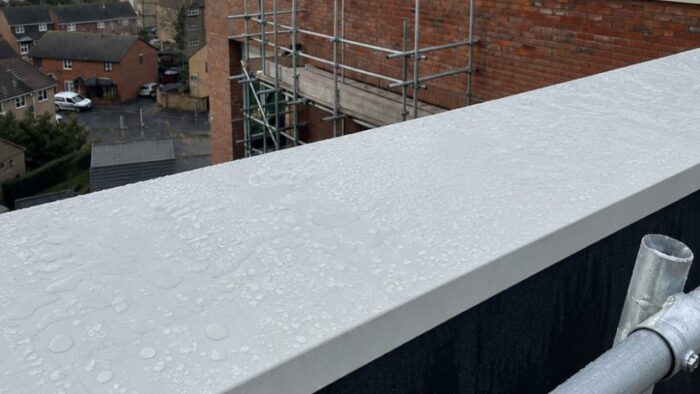
7 Smart Buying Tips for Cost-Effective Aluminium Coping
The most practical way to compare options is to work through the project in order, starting with the wall itself and then moving outwards to corners, finish and roof context. That approach helps buyers avoid paying attention to the wrong detail first and makes it easier to compare like with like.
When assessing options, don’t overlook the importance of quality; the cheapest aluminium coping might not provide the best return on investment.
For homeowners, builders, architects and property managers, a value-led coping choice usually comes from a clearer brief rather than a faster decision. The following seven tips are designed to make that process more useful and to reduce the chance of selecting cheap aluminium coping that does not suit the job.
In many instances, the cheapest aluminium coping can compromise the integrity of the overall design if not paired with high-quality materials.
1. Measure the finished wall width before comparing options
Remember that selecting the cheapest aluminium coping should be balanced with considerations for longevity and aesthetic appeal.
The finished wall width matters because the coping has to relate to the actual top of the parapet or boundary wall, not an approximate dimension taken from a drawing years ago. If the wall width is unclear, the comparison between products becomes unreliable, and the cheapest quote may not be the best fit.
Measuring accurately at an early stage helps buyers compare affordable aluminium coping options on a fair basis. It also makes it easier to identify whether a standard format might suit the wall or whether a more project-specific coping requirement needs to be discussed.
2. Decide whether flat or sloping coping suits the project
Making an informed choice about the cheapest aluminium coping can lead to significant savings down the line if aligned with quality standards.
The flat aluminium coping range provides useful context where a straight and controlled wall-top line is required. The final selection should still reflect parapet width, visible projection, roof detail, corner requirements and the intended finish.
The sloping aluminium coping range provides useful context where a profile direction that supports intended rainwater movement from the coping surface may be relevant. The final decision should still reflect wall geometry, roof conditions, corners and project-specific requirements.
Choosing between these directions is not a minor detail. It affects how the roof edge reads from street level and how the coping sits in relation to the wall and any adjoining finishes. For some projects, the best value aluminium coping is simply the one that aligns cleanly with the design rather than the one with the lowest visible starting point.
3. Check corners, returns and changes in wall direction early
Corners and returns often influence the real level of coordination needed on a project. A straightforward run may look simple on paper, but once the wall turns a corner, meets a junction or changes direction, the coping requirement becomes more specific and the detail needs to be considered carefully.
This is where cheap aluminium coping can become less straightforward. If the wall line includes multiple turns, external corners or intersecting roof-edge elements, it is better to factor those details in before assuming a basic profile will be sufficient.
4. Compare finish requirements before choosing a colour
A finish should never be treated as a decorative afterthought. The selected colour or surface treatment needs to work with the building material, the roofline and the wider facade, especially on rendered elevations, black-framed glazing or brick properties where visual coordination matters.
A carefully chosen finish can make aluminium coping for parapet walls appear well integrated, even on a modest budget. The right finish may also help the project feel deliberate rather than pieced together from mismatched components, which is an important part of value for both residential and commercial schemes.
5. Consider roof details, flashing interfaces and rainwater movement
Roof-edge planning should always sit alongside the coping decision. The coping is part of a wider arrangement that may include roof membranes, flashings, parapet edges and the way rainwater is directed away from the building fabric. That means the cheapest option on its own is not necessarily the most suitable for the full roof detail.
It is worth looking carefully at how the coping relates to the roof edge and any adjoining elements before making a final selection. A thoughtful comparison can prevent a situation where a budget aluminium coping choice looks acceptable in isolation but is less coherent once placed into the wider roofline context.
6. Think about long-term coordination with the full roofline
A coping product should be judged as part of the whole roofline rather than as a standalone line item. On flat roof extensions, garages, apartment buildings and commercial roof edges, the top of the wall often sits visually close to other elements such as fascia lines, flashings and rainwater goods.
If the coping sits awkwardly against the rest of the roofline, the project may lose some of the visual value that a lower-cost option was meant to protect. The aim is to choose a cost-effective aluminium coping detail that works comfortably within the building design and does not look mismatched once complete.
7. Prepare a clear brief before requesting an estimate
A clear project brief can make an estimate more useful because it reduces uncertainty around dimensions, profile type, corners and finish requirements. Readers with project-specific requirements can request an estimate for aluminium coping with drawings, photographs, wall widths, run lengths and preferred finish details.
That level of preparation helps suppliers respond to the real project rather than a vague outline. It also makes it easier to compare a budget-conscious coping choice with a more tailored option, because the figures are based on the same assumptions.
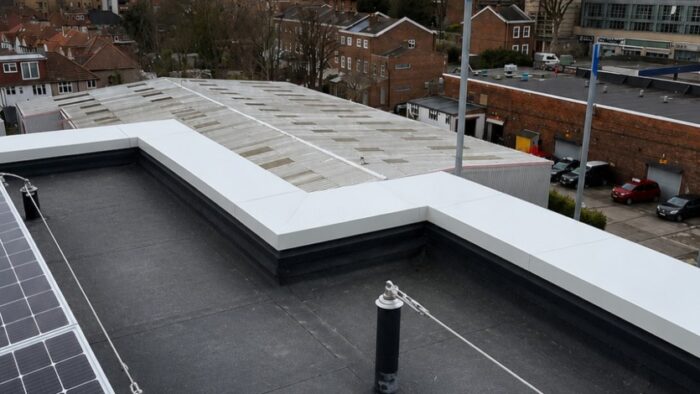
Flat, Sloping and Project-Specific Coping Choices
Once the main project details are known, the next step is to assess which profile direction suits the building. This is where many readers move from searching for the cheapest aluminium coping to trying to understand which option offers the strongest combination of price, appearance and practical fit.
Always seek out the cheapest aluminium coping that also meets local regulations and building codes to avoid complications later. Investing time in research will help you find the cheapest aluminium coping that does not compromise on quality or performance.
Buyers should be wary of the pitfalls of selecting only based on the tag of cheapest aluminium coping, as it may lead to higher costs in the future. The goal should be to find the cheapest aluminium coping that still provides the necessary functionality and complements the overall aesthetic of the project.
The point is not to assume that one profile is always superior. Instead, the profile should reflect the wall form, the roof edge, the intended visual line and the way the project handles water movement and junctions.
Flat aluminium coping for clean parapet lines
The aluminium flat coping in a 3m length provides a useful product reference for readers comparing a flat profile direction. The product choice should still be reviewed against the finished wall width, roof-edge arrangement and wider project requirement.
Flat aluminium coping may be considered where the design needs a straight, controlled parapet line, such as on contemporary flat roof extensions, garden rooms or rendered boundary walls. For many schemes, the appeal lies in the neat visual finish and the way the profile supports a consistent roof-edge appearance.
Sloping aluminium coping for exposed wall-top conditions
The 3m aluminium sloping coping provides a useful product reference for readers comparing a sloping profile direction. The final suitability should still be reviewed against the parapet detail, roof geometry, corners, finish requirement and wider rainwater route.
A detailed comparison will help you identify the cheapest aluminium coping that balances quality and cost effectively.
Sloping aluminium coping may be considered where the roof-edge detail benefits from a profile direction that aligns with intended rainwater movement. This can be relevant on parapet walls, roof terraces or commercial roofline details where the exposed wall top forms part of a broader weathering strategy.
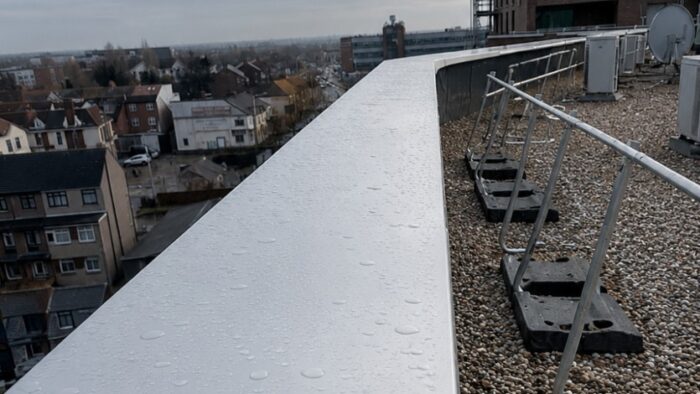
Why Cheap Aluminium Coping Can Become Expensive If Details Are Missed
There is a difference between a value-led purchase and a short-sighted one. A seemingly cheap aluminium coping option can become more demanding to manage if the wall shape, junctions or finish were not properly thought through from the start. Focusing on getting the cheapest aluminium coping may mean sacrificing other elements of the project that are equally important.
Ensure that the cheapest aluminium coping selected will fit seamlessly with the existing building conditions and intended design. Choosing the cheapest aluminium coping is not just about price, but about how it fits into the bigger picture of the project.
Remember that selecting the cheapest aluminium coping should be a careful and informed process to ensure a successful project outcome. Ultimately, a comprehensive understanding of the project will lead to the most suitable choice of cheapest aluminium coping in terms of aesthetics and functionality.
In many cases, the added cost is not caused by the product itself. It comes from the time spent re-checking dimensions, revising the specification or rethinking how the coping sits against the rest of the roofline and wall finish.
Corners, junctions and non-standard dimensions can affect planning
Corners, stop ends and T-junctions need clear attention because they change how the coping run is understood and priced. A straightforward wall line can be easy to compare, but once the project includes returns, openings or changes in level, the detail becomes more project-specific.
This is why the cheapest aluminium coping should never be judged on straight run cost alone. The more complete the brief, the easier it is to avoid confusion later and the better the eventual comparison between options will be.
Finish choice should not be treated as an afterthought
Finish choice also affects how well the coping sits with the rest of the building. A colour that looks suitable in isolation may not feel balanced once it is viewed alongside brick, render, glazing or adjacent metalwork. That visual coordination matters on housing, apartments and commercial projects alike.
For many buyers, the real question is not whether a finish is available, but whether it supports the overall result. If the coping is being selected as a best value aluminium coping option, the finish still needs to be part of that assessment rather than something added at the end.
Moisture, Roof Edges and Wider Wall-Top Planning
Cost-effective coping choices should still be considered within the wider context of how exposed wall tops, roofs and adjoining surfaces manage rain and moisture. For broader England-specific context, the Approved Document C guidance on resistance to moisture explains wider requirements relating to moisture resistance in roofs and walls. It is not a direct guide to choosing the cheapest aluminium coping, so the final parapet detail should always reflect the roof construction, flashing arrangement, wall finish, drainage route and individual project requirement.
That wider view matters because coping sits at a sensitive point in the building envelope. A well-matched profile direction and a clear understanding of the roof edge can help the project feel more coherent, especially on flat roof extensions, balcony edges, commercial roof edges and parapet walls where the top line is highly visible.
Moisture planning is also part of value, because it helps the buyer think beyond the headline figure. If the coping is selected only for a low visible cost, the result may be less aligned with the wall-top detail, the intended rainwater movement and the overall specification.
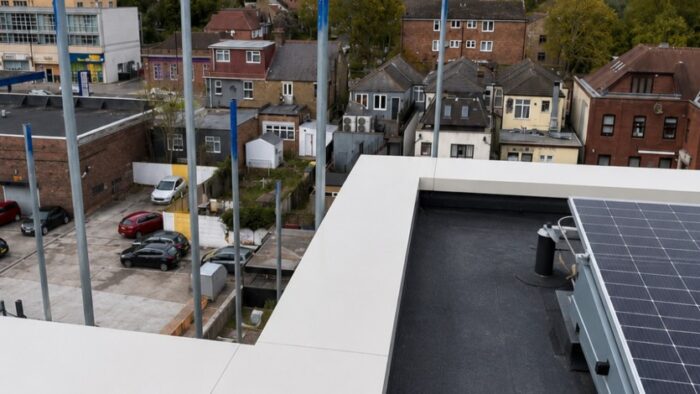
What to Prepare Before Discussing Aluminium Coping Cost
The most efficient way to discuss aluminium coping cost is to arrive with the right project information. That does not mean every detail must be complete, but it does mean the supplier can understand the wall, the roof edge and the finish requirement from the start.
For domestic and commercial schemes alike, a clear brief makes it easier to compare a cheap aluminium coping idea against a more tailored choice. It also helps prevent under-specified enquiries that lead to vague figures and unnecessary back-and-forth.
Project information that helps avoid unclear pricing conversations
Before requesting an estimate, it helps to gather the following points:
- Finished wall width
- Total coping run lengths
- Flat or sloping profile preference
- Internal corners
- External corners
- Stop ends
- T-junctions
- Changes in level
- Roof context
- Flashing interfaces
- Rainwater route
- Preferred finish
- RAL or BS colour preference
- Photographs
- Drawings
- Wider project context
With that information to hand, the discussion about budget aluminium coping becomes more useful and less speculative. It also makes it easier to compare the project against the actual building conditions, rather than relying on a quick assumption about what might be cheapest.
Buyers should remain mindful that the cheapest aluminium coping is not always the most suitable choice in the long run.
FAQ
-
Is the cheapest aluminium coping always the best choice?
No. The cheapest aluminium coping is only worth choosing if it suits the wall width, profile direction, corners and finish requirement. A lower headline figure can look attractive, but value depends on how well the coping fits the parapet wall, roof edge and wider project context.
-
What affects the cost of aluminium coping?
Several factors influence aluminium coping cost, including wall width, total run length, corners, returns, junctions, finish type and whether a flat or sloping profile is needed. Project-specific details can also affect how straightforward the enquiry is, which is why clear information helps.
-
Is flat or sloping aluminium coping more cost-effective?
Either can be cost-effective depending on the project. Flat aluminium coping may suit a clean, controlled parapet line, while sloping aluminium coping may suit exposed wall-top conditions where the design benefits from a profile direction linked to rainwater movement. Suitability matters more than assumption.
-
Should coping corners and junctions be planned before asking for a quote?
Yes. Corners, junctions and changes in wall direction can shape the final specification and the clarity of the estimate. Planning them early helps avoid misunderstandings and makes it easier to compare a value-led aluminium coping option against the actual project requirement.
-
What information helps when requesting an aluminium coping estimate?
Useful information includes finished wall widths, total run lengths, profile preference, corner details, drawings, photographs, finish requirements and wider roof context. The more complete the brief, the easier it is to discuss an aluminium coping estimate in a way that reflects the real project.
Metal Profiles Ltd supplies and fabricates aluminium copings, roofline products, rainwater goods and architectural metalwork for UK projects. Buyers searching for cheapest aluminium coping should still weigh value, wall width, profile suitability, finish, corners and the wider parapet detail before making a decision. If you are planning a project, share your finished wall widths, total coping runs, flat or sloping preference, corner details, drawings, photographs, preferred finish and wider project context. A wide range of RAL or BS colour options may be available, subject to the selected finish and project requirement. For product or project support, Contact Metal Profiles Ltd today.
Discover more from Metal Profiles Ltd
Subscribe to get the latest posts sent to your email.