



The external details of a building play an important role in maintaining its appearance, durability and long-term performance. While windows are designed to provide natural light, ventilation and energy efficiency, the areas around window openings also require careful consideration to ensure proper protection against external conditions.
An aluminium sill is an important component that helps protect window openings from rainfall, moisture and changing weather conditions. It provides a practical finishing solution beneath window frames while creating a clean and professional appearance that complements modern building designs.
Across residential, commercial and architectural projects in the UK, sill systems are becoming increasingly popular because they offer a combination of durability, lightweight construction and contemporary style. They are suitable for buildings where both reliable performance and attractive design are important.
This guide explains the purpose of an aluminium sill, its benefits, common applications and why it is considered a valuable solution for modern construction projects.
Understanding the Role of an Aluminium Sill
A sill is installed beneath a window frame to provide protection and improve the performance of the window installation. Its main purpose is to manage rainwater by directing water away from the building facade and reducing exposure to moisture around the window area.
Windows are naturally one of the more vulnerable areas of a building because they create openings within the external wall structure. Without suitable protection, water can collect around the window frame and gradually affect surrounding materials.
Protecting Window Openings from Weather Exposure
One of the most important functions of an aluminium sill is providing protection against external weather conditions. Throughout the UK, buildings experience regular rainfall, wind and temperature changes, which can place pressure on exposed window areas.
A correctly designed aluminium sill creates a protective edge beneath the window frame. This allows rainwater to flow away from the wall surface instead of collecting around the window opening.
By improving water management, a sill helps maintain the condition of the surrounding building materials and supports the long-term performance of the window installation.
Creating a Clean Architectural Finish
Modern building design focuses heavily on clean lines and high-quality external finishes. Small details around windows can have a significant impact on the overall appearance of a property.
An aluminium sill provides a smooth and refined finish that complements contemporary architecture. Its neat profile helps create a professional transition between the window frame and external wall.
For architects and contractors, choosing the right aluminium sill is not only about protection but also about achieving the desired visual quality for the building.
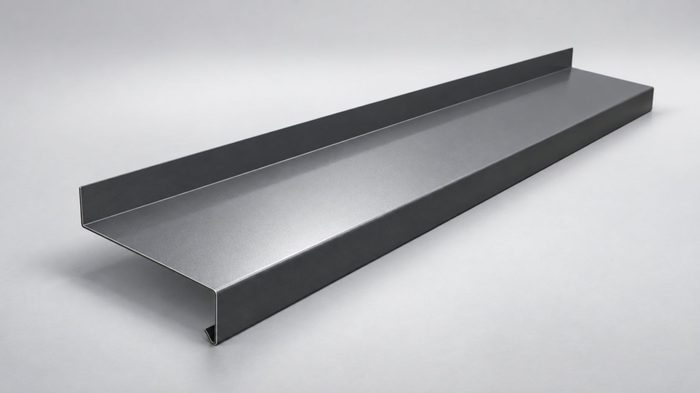
Why Aluminium Is Used for Window Sill Applications
The choice of material is an important factor when selecting any external building product. Window sill systems need to withstand outdoor conditions while maintaining their appearance over many years.
Aluminium has become a preferred material for sill applications because it provides excellent durability, flexibility and design possibilities.
Durability in Changing UK Weather Conditions
Buildings across the UK experience different weather conditions throughout the year. Rainfall, moisture and temperature variations can affect external materials if they are not designed for outdoor use.
An aluminium sill is suitable for these conditions because aluminium provides reliable performance in external environments. It helps protect window areas while maintaining its quality over an extended period.
For both new construction and refurbishment projects, aluminium sill systems provide a dependable option where long-term durability is required.
Lightweight Construction Benefits
One of the key advantages of aluminium is its lightweight nature. Compared with heavier materials, aluminium products are easier to handle, transport and install.
This makes an aluminium sill a practical choice for different types of construction projects, especially where multiple windows require consistent finishing solutions.
Although lightweight, aluminium provides the strength required for external applications. This combination of practicality and performance makes it suitable for modern residential and commercial buildings.
Modern Appearance and Design Flexibility
Architectural projects often require materials that can combine functionality with visual appeal.
An aluminium sill provides a modern appearance that works well with different window systems and external finishes. Its clean design allows it to complement a wide range of architectural styles.
Whether used on contemporary homes, office buildings or larger developments, aluminium sill solutions can support a consistent and professional external appearance.
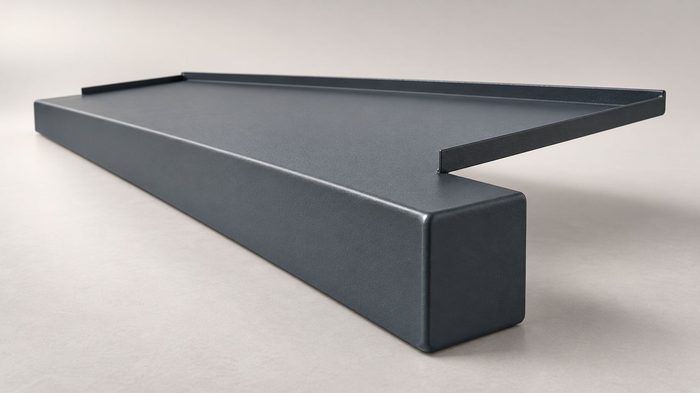
Aluminium Sill Solutions for Different Building Applications
Different buildings have different requirements, which means selecting the correct aluminium sill solution is an important part of the design process.
The right choice depends on factors such as window design, building style, exposure level and the required finish.
Aluminium Sill for Residential Properties
Modern homes increasingly include large windows, extensions and contemporary architectural features. These designs require window finishing products that provide protection while maintaining a premium appearance.
An aluminium sill is widely used in residential projects because it offers a durable and attractive solution beneath window frames.
For homeowners, the use of aluminium sill systems can improve the appearance of window areas while helping protect the property from weather exposure.
Whether used for new-build homes or renovation projects, sill products provide a practical finishing detail that supports long-term performance.
Aluminium Sill for Commercial Buildings
Commercial buildings require external solutions that can provide reliable performance while maintaining a professional appearance.
Offices, retail developments, schools and other commercial properties often use sill systems because they provide durability and consistency across multiple window installations.
For larger projects, choosing the correct aluminium sill helps create a coordinated external appearance while supporting the overall protection of the building.
Choosing the Right Aluminium Sill Design
Selecting the correct sill requires consideration of the building requirements and installation conditions.
The design should match the window system while providing effective protection against external elements.
A suitable aluminium sill should provide a balance between performance, appearance and compatibility with other building components.
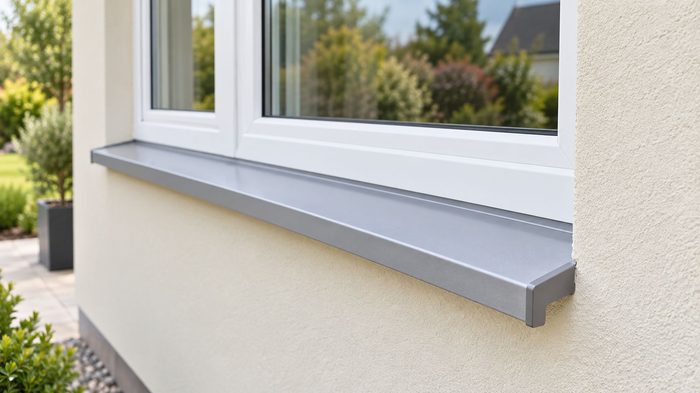
Aluminium Sill Profiles and Architectural Requirements
Different projects may require different sill profiles depending on the building design and intended appearance.
Modern aluminium sill solutions are available in designs that support various architectural requirements, from simple residential applications to larger commercial developments.
When combined with other products, a sill can contribute to a complete and consistent building exterior.
For example, window finishing details can be coordinated with aluminium window surrounds to create a professional architectural finish.
Aluminium Sill Installation Considerations
Correct installation is an important part of ensuring an aluminium sill performs effectively throughout its service life. Even a high-quality aluminium sill system requires accurate fitting and careful detailing to achieve the expected level of protection.
The installation process should consider the relationship between the window frame, sill profile and surrounding building materials. Proper alignment helps ensure that rainwater is directed away from the window opening and prevents unnecessary moisture exposure around the facade.
Accurate Measurement and Professional Fitting
Every building project has different requirements, which means accurate measurement is essential before installing an aluminium sill. The correct dimensions help create a secure fit while maintaining the intended architectural appearance.
Professional fitting ensures that the aluminium sill works effectively with the window system and surrounding structure. Poor installation can affect water management and may reduce the overall performance of the window finishing solution.
For this reason, architects, contractors and installers should carefully consider the specification and installation requirements before selecting a sill system.
Supporting Long-Term Building Performance
A correctly installed aluminium sill contributes to the long-term protection of the building by helping manage water movement around window openings.
When combined with suitable installation methods, an aluminium sill can help maintain the appearance and condition of the external wall while providing a durable finishing detail.
Modern construction projects often require products that deliver reliable performance without creating additional maintenance challenges. Aluminium sill systems meet these requirements by providing a practical and long-lasting solution.
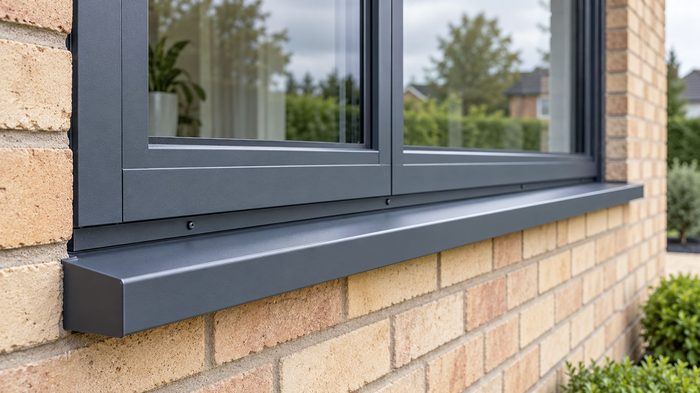
Maintaining Aluminium Sill Systems
One of the key benefits of an aluminium sill is its low maintenance requirement. Unlike some traditional materials, aluminium can maintain its appearance and performance with basic care.
Regular inspections can help identify any potential issues around the window area and ensure the system continues to function effectively.
Keeping the Surface Clean
Over time, outdoor building products can collect dust, dirt and environmental deposits. Simple cleaning helps maintain the appearance of an aluminium sill and keeps the external finish looking professional.
Regular cleaning is particularly useful for buildings located in areas with higher exposure to weather conditions.
Checking Window Connections
The connection between the window frame, aluminium sill and surrounding materials should be checked periodically.
Inspecting these areas helps ensure that water continues to move away correctly and that the sill remains securely positioned.
Proper maintenance supports the long-term performance of the aluminium sill and helps preserve the quality of the overall building exterior.
Combining Aluminium Sill with Other Aluminium Building Products
Modern construction projects often use multiple aluminium products together to create a consistent and high-quality external finish.
An aluminium sill can work alongside other architectural aluminium solutions to improve both the appearance and performance of a building.
Creating a Complete Window and Facade Solution
Window areas are an important part of the building facade, and combining different aluminium products can create a more complete design approach.
For example, aluminium sill systems can be used together with aluminium window surrounds to create a clean and coordinated window finish.
This approach allows architects and contractors to achieve a consistent appearance across different parts of the building.
Coordinating with External Aluminium Systems
Beyond window details, other aluminium products can also contribute to the overall performance and appearance of a property.
Products such as aluminium fascia systems can help create a consistent architectural style across external building elements.
Similarly, protective solutions such as aluminium copings can provide additional protection for exposed areas of the building.
Using compatible aluminium products together allows projects to achieve a professional finish while maintaining reliable long-term performance.
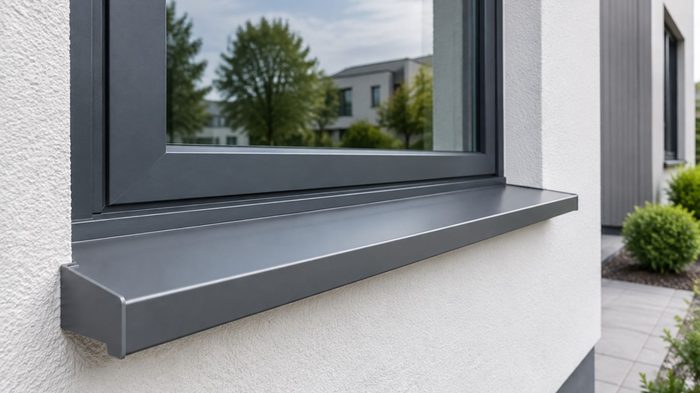
Aluminium Sill for Modern Architectural Projects
Architects and designers increasingly focus on materials that provide both practical benefits and visual quality.
An aluminium sill supports modern architectural requirements by creating a clean transition between the window system and the external wall.
Contemporary buildings often feature large glazed areas, minimalist designs and carefully selected materials. In these applications, even small details such as an aluminium sill can have a noticeable impact on the final appearance.
The combination of durability, flexibility and modern design makes aluminium sill systems suitable for a wide range of architectural applications.
The Role of Aluminium Sill in Sustainable Building Design
Long-lasting materials play an important role in sustainable construction. Choosing durable products can help reduce unnecessary replacement and support better long-term building performance.
A sill provides a reliable solution because it is designed for external use and can maintain its quality over many years when correctly installed and maintained.
Aluminium is widely used in modern construction because it supports efficient building solutions while providing a strong balance between performance and design.
For more information about aluminium material properties and applications, the Aluminium Association provides useful industry information about aluminium and its use across different sectors.
Metal Profiles Ltd supplies high-quality aluminium solutions for residential, commercial and architectural projects across the UK. The company provides aluminium sill systems designed to deliver durable window protection, reliable performance and a clean architectural finish. With a wide range of aluminium building products, Metal Profiles Ltd supports architects, contractors and specifiers with practical solutions for modern construction projects. For product information, technical requirements or project enquiries, contact Contact Metal Profiles Ltd for further assistance.
FAQ
-
What is an aluminium sill used for?
An aluminium sill is installed beneath window frames to protect the building from moisture and help direct rainwater away from the window opening. It also provides a clean and modern external finish.
-
Why is aluminium a good material for window sills?
Aluminium is a durable, lightweight and weather-resistant material, making it suitable for external window applications where long-term performance is required.
-
Are aluminium sill systems suitable for UK weather conditions?
Yes, aluminium sill systems are designed for outdoor use and can perform effectively in UK weather conditions, including rainfall, moisture and temperature changes.
-
Can an aluminium sill be used with other aluminium products?
Yes, aluminium sill systems can be combined with products such as aluminium window surrounds, fascia systems and other aluminium building solutions to create a consistent external design.
-
How long can an aluminium sill last?
With correct installation and suitable maintenance, an aluminium sill can provide long-term protection and maintain its appearance for many years.
Discover more from Metal Profiles Ltd
Subscribe to get the latest posts sent to your email.