



Aluminium Copings are an important architectural component used to protect exposed wall edges, parapets and roofline structures from weather-related damage. A well-designed coping system helps prevent water penetration, improve building durability and create a clean finished appearance across residential, commercial and industrial properties.
In the UK, buildings are regularly exposed to rainfall, wind and changing temperatures. These conditions make effective protection of parapet walls and exposed horizontal surfaces essential. Without suitable protection, moisture can enter wall structures, leading to deterioration, staining and long-term maintenance issues.
Aluminium has become a popular material choice for coping systems because it combines durability, corrosion resistance, lightweight construction and design flexibility. When correctly specified and installed, aluminium coping can provide long-term protection while supporting the overall architectural appearance of a building.
What Are Aluminium Copings?
Aluminium Copings are protective metal covers installed on the top of parapet walls, boundary walls and exposed masonry surfaces.
The primary purpose of a coping is to protect the upper surface of a wall from direct exposure to rainwater. The top of a wall is particularly vulnerable because water can collect on horizontal surfaces and gradually penetrate into the structure.
A coping system creates a protective layer between the external environment and the wall structure.
A properly designed aluminium coping helps:
- Prevent direct water absorption into the wall
- Direct rainwater away from the wall face
- Protect masonry and concrete surfaces
- Improve the finished appearance of exposed edges
- Support the long-term performance of the building envelope
Unlike a simple decorative cover, a coping system is an important functional part of modern construction.
Why Aluminium Is Used for Coping Systems
The choice of material plays an important role in the performance of a coping system. Aluminium is widely used because it provides a balance of strength, durability and aesthetic flexibility.
Corrosion Resistance
One of the main advantages of aluminium is its natural resistance to corrosion.
When exposed to air, aluminium forms a protective oxide layer that helps reduce corrosion. This makes it suitable for external applications where the material is exposed to changing weather conditions.
For parapet walls and roof edges, this resistance is particularly valuable because these areas are often exposed to rainfall throughout the year.
Lightweight Construction
Aluminium provides a strong but lightweight solution compared with many traditional coping materials.
The reduced weight can make transportation, handling and installation easier while still providing a durable external finish.
For construction projects where efficiency and practical installation are important, aluminium offers a useful balance between performance and weight.
Long-Term External Performance
Buildings require materials that can maintain their appearance and function over many years.
Aluminium coping systems are designed for external applications where durability and consistent performance are required.
With suitable specification, installation and maintenance, aluminium can provide a reliable solution for protecting exposed wall structures.
Design Flexibility
Another advantage of aluminium is its ability to be formed into different profiles.
Every building has different requirements. Some projects may require a simple straight coping design, while others may need specific dimensions, angles or bespoke details.
Aluminium fabrication allows manufacturers to create solutions suitable for different architectural requirements.
Colour and Finish Options
Modern buildings often require external components that match the overall design.
Aluminium coping systems can be powder coated in a wide range of colours, allowing them to coordinate with:
- Roof materials
- Cladding systems
- Windows and doors
- External metalwork
- Other architectural finishes
This flexibility makes aluminium suitable for both practical protection and visual design purposes.
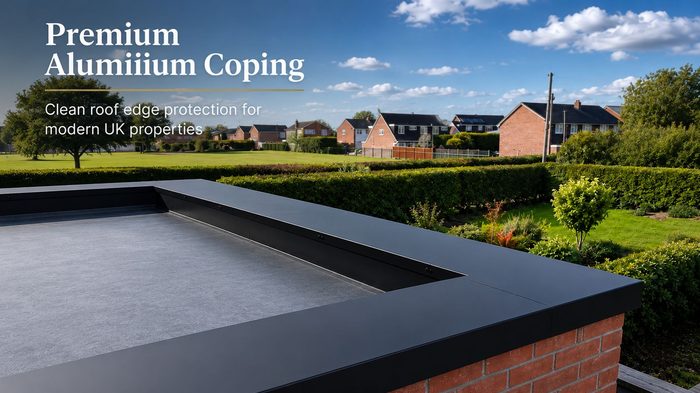
The Importance of Aluminium Copings for Parapet Walls
Parapet walls are common on many modern buildings, particularly those with flat roofs, commercial developments and contemporary residential designs.
Because parapet walls extend above the roof level, their upper surface is exposed directly to rainfall and weather conditions.
Without effective protection, water can gradually enter the wall structure and create problems over time.
Protecting Exposed Wall Edges
The top edge of a parapet wall is one of the most vulnerable areas of a building.
Rainwater can collect on exposed surfaces and move into small openings or imperfections within the wall construction.
Aluminium Copings provide a protective barrier that helps shield the wall from direct water exposure.
The coping extends across the wall top and creates a controlled route for rainwater discharge.
Reducing Water Ingress
Water ingress is one of the major concerns in external building construction.
A correctly designed coping system helps reduce the opportunity for water to enter the wall structure.
Important design features include:
- Suitable coping width
- Correct projection beyond the wall face
- Effective drip edges
- Proper joint detailing
- Secure installation
These details work together to improve the overall weather protection of the building.
Improving Architectural Appearance
Beyond protection, aluminium coping systems also contribute to the visual appearance of a building.
A clean coping line can create a sharp transition between the roof area and external walls.
This is especially important on modern buildings where minimal detailing and clean architectural lines are important design features.
A well-finished coping system can enhance the overall appearance while providing essential protection.
Types of Aluminium Coping Systems
Different buildings require different coping solutions depending on their design, wall construction and weather protection requirements. Aluminium coping systems can be manufactured in different profiles to suit various applications, from simple parapet walls to complex architectural projects.
The correct coping profile should be selected based on the building requirements rather than only the appearance. Factors such as wall width, drainage direction, fixing method and surrounding materials all influence the final choice.
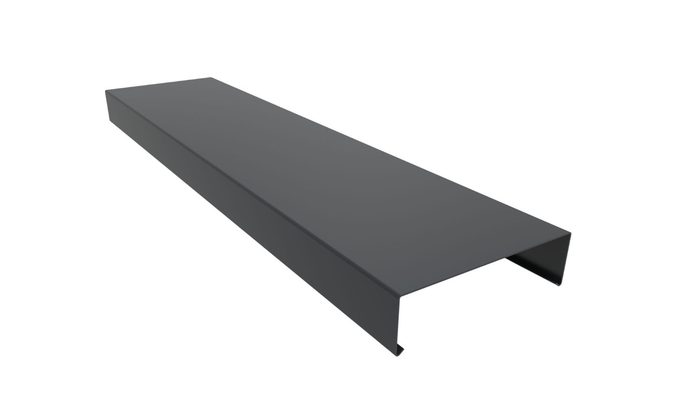
Flat Aluminium Copings
Flat aluminium copings provide a clean and minimal appearance for modern building designs.
They are often selected for projects where a simple horizontal finish is required across the top of a parapet wall or exposed edge.
Common applications include:
- Commercial buildings
- Contemporary residential properties
- Office developments
- Flat roof systems
- Boundary wall protection
The flat profile creates a neat architectural line while providing protection against direct weather exposure.
When specifying flat aluminium copings, it is important to consider the wall width, required overhang and drainage details. The coping should extend beyond the wall edge sufficiently to allow rainwater to discharge away from the structure.
Sloped Aluminium Copings
Sloped aluminium copings are designed with an angled surface that helps encourage rainwater movement.
The slope reduces the chance of water collecting on the top surface and helps direct rainfall towards the outside edges.
This makes sloped profiles particularly useful for buildings where effective water management is a priority.
Benefits of sloped aluminium copings include:
- Improved rainwater drainage
- Reduced standing water
- Better protection for exposed walls
- Enhanced long-term weather performance
The correct slope and projection should be considered during the design stage to ensure the coping performs effectively.
Bespoke Aluminium Copings
Not every building has standard dimensions or straightforward wall details.
For projects with unusual shapes, complex roof designs or specific architectural requirements, bespoke aluminium copings may be required.
Custom fabrication can allow manufacturers to produce coping systems with:
- Specific widths
- Unique angles
- Special finishes
- Custom lengths
- Project-specific detailing
Bespoke solutions are particularly useful for architectural projects where standard profiles may not provide the required finish.
Choosing the Right Aluminium Coping System
Selecting Aluminium Copings requires careful planning before the installation begins.
The wrong specification can affect both the appearance and performance of the finished system.
Several important factors should be considered.
Measuring Wall Width Correctly
Accurate measurement is one of the most important steps when selecting a coping system.
The coping should provide sufficient coverage across the wall while allowing appropriate projection beyond the wall face.
Measurements should include:
- Wall width
- Required overhang
- Joint locations
- Corner details
- Installation requirements
Incorrect measurements can result in poor fitting and additional adjustments during installation.
Selecting the Correct Projection
The projection of the coping beyond the wall edge is important because it helps control rainwater movement.
A suitable projection allows water to discharge away from the wall surface rather than running directly down the building facade.
This helps reduce staining and protects the external wall finish.
Considering Material Thickness
The required aluminium thickness depends on the coping design, application and project requirements.
A suitable thickness helps provide the necessary rigidity while maintaining the advantages of aluminium construction.
For larger commercial projects or exposed locations, the coping specification should be carefully reviewed to ensure it meets the required performance expectations.
Choosing Finish and Colour
The finish of aluminium coping systems can have a significant impact on the appearance of a building.
Powder-coated finishes allow the coping to coordinate with other external elements, including:
- Cladding
- Roof systems
- Windows
- Doors
- External aluminium features
Selecting the colour early in the project helps ensure consistency across all visible building components.
Planning Joints and Expansion
Long coping runs require careful consideration of joints.
Aluminium naturally expands and contracts with temperature changes, so the installation should allow suitable movement.
Important considerations include:
- Joint positions
- Expansion allowances
- Fixing points
- Weather sealing
Correct joint planning helps maintain the appearance and performance of the coping system over time.
Aluminium Copings for Commercial Buildings
Commercial buildings often require durable and visually consistent solutions for exposed roof edges and parapet walls.
Aluminium Copings are commonly used across:
- Office buildings
- Retail developments
- Schools
- Apartment blocks
- Industrial facilities
Large buildings often contain extensive parapet walls, making reliable weather protection essential.
For commercial projects, coping systems should be considered alongside the wider building envelope, including roofing systems, flashing details and external finishes.
Aluminium Copings for Residential Projects
Modern residential architecture increasingly uses flat roofs, roof terraces and parapet wall designs.
Aluminium coping systems can provide a clean finishing detail for:
- Contemporary homes
- Roof extensions
- Garden walls
- Terrace areas
- Boundary structures
The lightweight nature of aluminium makes it suitable for residential projects where appearance and practical installation are both important.
The coping colour can also be selected to complement the home’s overall design.
Aluminium Copings Installation Considerations
Correct installation is essential to achieve the expected performance from an aluminium coping system.
Even a high-quality product requires proper planning and fitting.
Before installation, contractors should confirm:
- Accurate site measurements
- Suitable fixing method
- Correct coping alignment
- Joint positions
- Expansion requirements
- Weather protection details
Preparing the Wall Surface
The supporting wall surface should be prepared before the coping is installed.
The wall should be:
- Structurally sound
- Clean
- Suitable for fixing
- Correctly levelled
Poor preparation can affect the final alignment and long-term stability of the coping system.
Fixing Aluminium Copings Correctly
The fixing method depends on the coping design and building requirements.
The coping should be securely attached while allowing appropriate movement caused by temperature changes.
Incorrect fixing can create problems such as:
- Movement
- Poor alignment
- Stress on joints
- Reduced weather protection
Following the manufacturer’s guidance helps ensure the system performs correctly.
Joint Detailing and Weather Protection
Joints are an important part of any coping installation.
Long coping runs require carefully planned connections to maintain both appearance and weather resistance.
Correct joint detailing helps:
- Control movement
- Reduce water penetration risks
- Maintain a consistent finish
The installation should ensure that water is directed away from vulnerable areas.
Aluminium Copings and Roof Edge Design
Aluminium Copings often form part of a wider roof edge and building envelope system.
They may need to coordinate with:
- Roof membranes
- Flashing systems
- Fascia details
- Roof accessories
- External wall finishes
A coordinated approach helps create a more reliable and visually consistent building exterior.
For projects requiring additional roofline protection, Metal Profiles Ltd also supplies aluminium architectural products designed for different construction applications.
Aluminium Copings and Rainwater Management
Effective rainwater management is one of the most important functions of an aluminium coping system. The top of a parapet wall is directly exposed to rainfall, meaning water must be controlled correctly to prevent damage to the surrounding structure.
A well-designed coping system helps guide rainwater away from the wall surface while reducing the risk of moisture penetration.
The design of the coping should consider:
- Surface slope
- Drip edge position
- Wall projection
- Joint detailing
- Weather sealing
These details work together to improve the long-term performance of the building envelope.
The Importance of Drip Edges
Drip edges are an important feature of aluminium coping systems.
They help control how rainwater leaves the coping surface by directing water away from the wall face.
Without an effective drip detail, rainwater can run down the external wall surface, potentially causing:
- Water staining
- Dirt accumulation
- Surface deterioration
- Increased maintenance requirements
A correctly designed aluminium coping should allow water to discharge away from vulnerable areas.
Protecting Masonry and Concrete Structures
Parapet walls are often constructed from masonry, concrete or other building materials that can be affected by continuous moisture exposure.
Aluminium Copings create a protective layer across the exposed wall surface, helping reduce direct contact between rainfall and the wall structure.
This protection is particularly important for buildings in the UK where frequent rainfall and changing weather conditions can affect exposed surfaces.
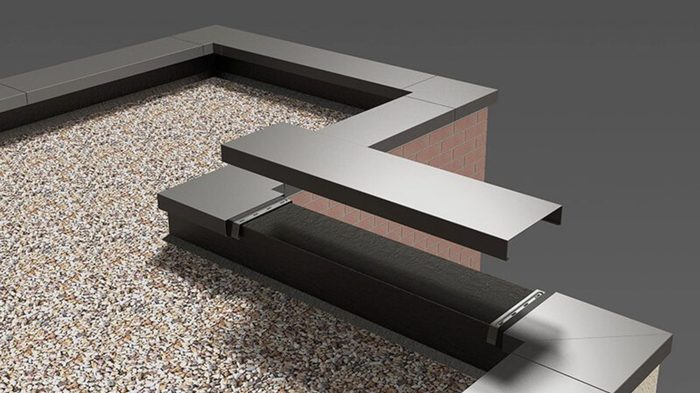
Aluminium Copings and Building Envelope Performance
Modern construction focuses on creating buildings that perform effectively as complete systems.
The building envelope includes all external elements that protect the internal structure from environmental conditions.
Aluminium coping systems contribute to this performance by helping protect exposed wall edges and supporting effective moisture management.
They often work alongside:
- Roof membranes
- Waterproofing systems
- Flashings
- Fascia details
- External wall finishes
A coordinated approach helps improve the durability and appearance of the finished building.
Maintenance of Aluminium Copings
One of the advantages of aluminium coping systems is that they require relatively low maintenance compared with some traditional materials.
However, regular inspection is still recommended to maintain long-term performance.
Maintenance checks should include:
Inspecting Surface Condition
Check the coping surface for:
- Scratches
- Damage to the coating
- Visible marks
- Signs of wear
Maintaining the finish helps preserve both appearance and protection.
Checking Joints and Connections
Joints should be inspected to ensure they remain secure and properly aligned.
Look for:
- Movement
- Gaps
- Damaged seals
- Signs of water penetration
Early identification of issues can help prevent larger maintenance problems.
Removing Debris
Leaves, dirt and other debris can collect around roof edges and drainage points.
Regular cleaning helps maintain effective water movement and reduces unnecessary pressure on the coping system.
Common Mistakes When Choosing Aluminium Copings
Selecting the correct coping system requires careful planning. Several common mistakes can affect the final performance.
Incorrect Measurements
One of the most common issues is ordering coping systems without accurate measurements.
The coping width, projection and length should all be confirmed before manufacturing or installation.
Incorrect sizing can lead to:
- Poor fitting
- Additional site adjustments
- Reduced protection
- Unprofessional appearance
Choosing the Wrong Profile
Different buildings require different coping solutions.
A profile that works well for one project may not be suitable for another.
The correct choice depends on:
- Wall construction
- Building design
- Weather exposure
- Required appearance
Ignoring Water Management Details
A coping system should not only cover the wall surface. It must also manage water correctly.
Important details such as drip edges, slope and projection should be considered during specification.
Ignoring these details can reduce the effectiveness of the system.
Poor Joint Planning
Long coping runs require careful consideration of connection points.
Poorly planned joints can affect:
- Appearance
- Weather protection
- Expansion movement
Professional installation requires planning these details before work begins.
Incorrect Installation Methods
Even a high-quality aluminium coping system can perform poorly if installed incorrectly.
Common installation issues include:
- Incorrect fixing
- Poor alignment
- Lack of expansion allowance
- Inadequate preparation
Following suitable installation guidance helps achieve the expected performance.
Aluminium Copings Compared With Other Materials
Different materials can be used for coping systems, including aluminium, stone, concrete and steel.
Each material has different characteristics.
Aluminium vs Stone Copings
Stone copings have traditionally been used on many buildings because of their solid appearance.
However, aluminium provides advantages such as:
- Lower weight
- Easier handling
- Greater design flexibility
- Modern appearance
For projects where installation efficiency and architectural detailing are important, aluminium can provide a practical alternative.
Aluminium vs Concrete Copings
Concrete copings can provide strength but are often heavier and less flexible during installation.
Aluminium offers:
- Reduced weight
- Easier transportation
- Modern finishes
- Custom fabrication options
The best choice depends on the building requirements and project objectives.
Aluminium vs Steel Copings
Steel can provide strength and durability, but aluminium offers excellent corrosion resistance and a lightweight alternative.
For exposed architectural applications, aluminium is often selected where appearance, finish options and long-term external performance are important.
Why Architects and Contractors Choose Aluminium Copings
Architects, contractors and building professionals often consider aluminium coping systems because they provide a combination of practical and aesthetic benefits.
Key advantages include:
- Durable external protection
- Clean architectural finish
- Lightweight construction
- Flexible design options
- Wide range of colour choices
- Suitability for different building types
These characteristics make aluminium suitable for both modern developments and refurbishment projects.
Aluminium Copings for Bespoke Architectural Projects
Many modern buildings include unique design features that require customised solutions.
Bespoke aluminium coping fabrication allows manufacturers to create systems based on specific project requirements.
Custom solutions may include:
- Special dimensions
- Unique angles
- Complex corners
- Specific finishes
- Project-specific details
This flexibility makes aluminium suitable for architectural projects where standard products may not provide the required result.
Choosing Aluminium Copings From a Reliable Manufacturer
Selecting the right manufacturer is an important part of achieving a successful coping installation.
A reliable supplier should understand:
- Aluminium fabrication
- Architectural requirements
- Installation considerations
- Project specifications
- Finishing options
Metal Profiles Ltd provides aluminium coping solutions designed for UK construction projects, supporting architects, contractors and specifiers with manufactured aluminium building products.
Aluminium Copings From Metal Profiles Ltd
Metal Profiles Ltd supplies aluminium coping systems for projects requiring durable protection and a clean architectural appearance.
Its aluminium products are manufactured for different construction applications, including roof edges, parapet walls and external architectural details.
The company provides solutions including aluminium copings, fascia, soffits, rainwater goods and other fabricated aluminium products.
For projects requiring specific dimensions, finishes or technical requirements, working directly with an experienced manufacturer can help ensure the correct solution is selected.
Final Thoughts
Aluminium Copings are an important part of modern building protection, providing both practical weather resistance and a clean architectural finish.
A well-designed coping system helps protect parapet walls, manage rainwater and improve the long-term performance of exposed building edges.
When selecting Aluminium Copings, it is important to consider the complete system, including wall dimensions, profile design, fixing method, drainage details and finish requirements.
For UK residential, commercial and industrial projects, choosing a suitable aluminium coping system from an experienced manufacturer can help achieve a durable, professional and visually consistent result.
About Metal Profiles Ltd
Metal Profiles Ltd is a UK manufacturer supplying aluminium copings, fascia, soffits, rainwater goods and architectural metalwork for residential, commercial and construction projects. Its aluminium coping systems are designed to provide durable protection and a clean architectural finish for exposed wall edges. For product enquiries, technical information or project requirements, Contact Metal Profiles Ltd for further information.
FAQ
-
What are Aluminium Copings used for?
Aluminium is lightweight, corrosion resistant and flexible, making it suitable for durable external coping applications across residential, commercial and industrial buildings.
-
Why is aluminium a suitable material for coping systems?
Aluminium is lightweight, corrosion resistant and flexible, making it suitable for durable external coping applications across residential, commercial and industrial buildings.
-
What is the difference between flat and sloped Aluminium Copings?
Flat Aluminium Copings provide a simple horizontal finish, while sloped Aluminium Copings are designed to encourage rainwater movement away from the wall surface.
-
Do Aluminium Copings require regular maintenance?
Aluminium Copings require minimal maintenance, but regular inspections are recommended to check joints, finishes and drainage details.
-
Can Aluminium Copings be customised for different projects?
Yes, Aluminium Copings can be fabricated in different sizes, profiles and finishes to meet specific architectural and construction requirements.
Discover more from Metal Profiles Ltd
Subscribe to get the latest posts sent to your email.