



Fascia and soffits: what they are (and why people confuse them)
What is fascia?
A fascia board is the flat board fixed along the edge of the roof. It normally runs horizontally, and it is usually the surface that supports the gutter system. In most UK homes, the fascia is the part you can point to instantly from the ground when someone says “that’s the roof edge”.
But fascia isn’t just “the bit you see”. It forms an important weather edge, and if water gets behind it, it can cause damage to the structure and the areas around it.
What is a soffit?
A soffit is the lining underneath the roof overhang. Its job is to close off the underside of the eaves, protecting the roof void from wind-driven rain and reducing the chances of birds and pests getting in.
When soffits are vented, they also support roof ventilation by allowing airflow into the roof space. This can help manage moisture levels, which is a big deal for avoiding condensation issues.
What is the difference between fascia and soffits?
The short version is:
- Fascia is the outer edge board, often tied into gutter fixing.
- Soffit is the underside lining, often tied into roof void ventilation.
If you want to compare roles quickly for your project, Metal Profiles Ltd has an easy guide on soffit or fascia.
Why fascia and soffits matter in UK weather (more than most people think)
A roof can look “fine” even when the eaves are failing. The reason is that water ingress often starts small. It might begin at a junction, a corner detail, a gap around a vent, or a weak sealing point where components meet.
Over time, you can end up with:
- rotted fascia repair issues (especially on timber)
- blocked soffit ventilation and condensation build-up
- mould in soffit cavity
- leaking soffit vents
- damp from fascia gap at joints and transitions
- sagging fascia board fix problems due to failing fixings or substrate
And in real life, the cost climbs because once the roof edge is letting in moisture, it can affect parts you cannot see, like timbers, insulation, plaster finishes, and the roof void environment.
Design uses: where fascia and soffits make the biggest difference
1) Modern builds and contemporary rooflines
If you’re going for clean lines and a crisp finish, aluminium fascia and soffits tend to look brilliant because they stay neat and consistent. They also help when you want the whole exterior to look coordinated with your rainwater goods.
If you’re also planning gutters, it helps to think about the full external drainage line. This guide on aluminium guttering in Chelmsford and Essex is a good companion when you’re planning a roofline upgrade.
2) Renovations where the roof edge has started to “age”
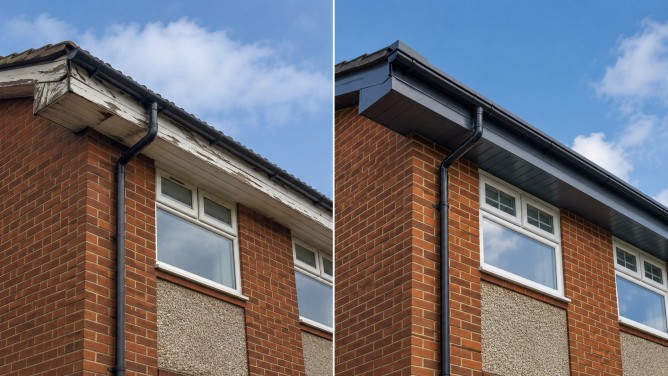
A lot of renovation jobs start with what homeowners can see: tired boards, staining, cracked ends, or missing sections. Even when the roof tiles are fine, the eaves area can become the weak link.
Swapping to aluminium fascia and soffit panels is often chosen because it gives a more robust, low-maintenance roof edge compared with timber.
3) Commercial buildings and exterior refurbishment
For commercial buildings, fascia and soffits are part of the building envelope. They need to handle longer runs, more roofline details, and higher exposure areas without constant maintenance.
If your project is on the bigger side, it is common to specify aluminium architectural metalwork across multiple roof perimeter elements, not just fascia and soffits.
Aluminium fascia and soffits: what makes them such a strong roofline choice
Let’s keep this practical. Aluminium is used for roofline systems because it offers a sensible balance of performance and finish for UK properties.
Benefits homeowners and contractors notice
- Low maintenance: no traditional timber rot cycle.
- Better corrosion resistance in wet UK conditions.
- Consistent finish: powder coated surfaces stay smart and uniform.
- Works well with coordinated systems like aluminium rainwater goods and flashings.
- Long lengths with sensible joint planning, which helps keep the roofline looking clean.
If you want a more detailed overview of why aluminium is often specified, Metal Profiles Ltd shares helpful background in aluminium fascia and soffit benefits.
Material options compared: aluminium vs uPVC vs timber vs composite
Aluminium fascia board / aluminium soffit panels
Best when you want:
- a durable roof edge
- a clean modern finish
- colour consistency for the long term
- a system that can match other aluminium elements (gutters, flashings, and trim)
uPVC fascia boards / uPVC soffit replacement
uPVC can suit budget-friendly projects, and it is widely available. The key is choosing a reputable product and installation approach, because soffit performance often depends on the details (fixing, sealing, ventilation, and junctions).
Wooden fascia and soffit / timber roofline boards
Timber looks great when done well, especially on traditional builds. The drawback is that timber rooflines are more vulnerable to repeated wetting if junction detailing or drainage fails.
If you are currently dealing with something like fascia rot treatment or repeated damp at the eaves, aluminium is often considered because it reduces the cycle of repeat replacement.
Composite fascia boards
Composite can help in some situations, but again, it is not a magic solution. If the moisture pathway is still present, any board system can struggle over time.
Powder coating, RAL colour and finish: how to choose the right look
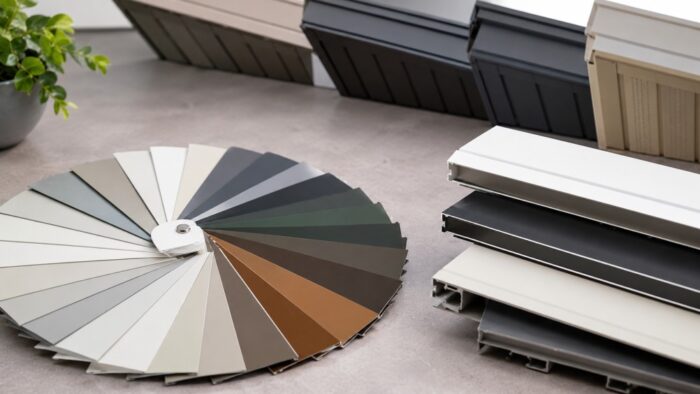
Roofline colour is one of those choices that can make your home look instantly more “designed”, or instantly mismatched.
How to pick fascia and soffit colours that work
Common UK combinations people use again and again:
- modern black fascia and soffit ideas for a sharp, contemporary profile
- white fascia with coloured soffit contrast to brighten the eaves line
- anthracite grey fascia to match darker window frames and render
- matching guttering with fascia and soffits for a continuous elevation line
A practical way to plan is to start with your dominant tones:
- render or brick colour
- window and door colour
- guttering preference (if you are updating rainwater goods)
Powder coated aluminium and colour stability
Powder coating is not only about looks. It provides a protective finish that helps resist weathering and keeps colour looking consistent. For roofline work, that matters because the fascia and soffit sit in direct exposure.
If you are deciding between aluminium fascia board options, this guide can help you choose the right product: choose the right aluminium fascia board.
Installation and planning considerations (the details that prevent future problems)
Here’s the truth: roofline jobs are rarely ruined by the “main materials”. They are ruined by the details around them. Corners. Fixings. Ventilation. Sealing at junctions. And making sure the gutter line works properly.
1) Decide whether you need vented soffits
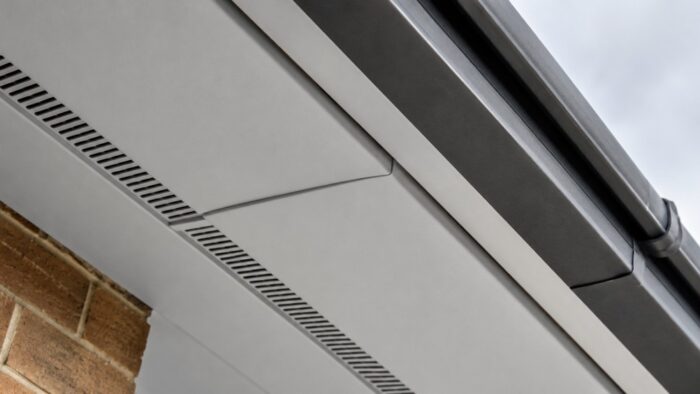
If your roof build-up needs ventilation, you may require vented soffit panels or a continuous soffit vent approach. The point is to allow airflow into the roof space while keeping water out.
If you skip this step or fit vents without considering sealing and overlaps, you can get:
- leaking soffit vents
- blocked soffit ventilation
- mould in soffit cavity
2) Measure and plan like a pro
Good measuring is not just “how many metres”. You need to plan:
- how fascia joints are handled
- where soffit panels will meet
- end profiles and stop ends
- corner and junction detailing
- waste allowance for angles and returns
3) Access and safety: ladders vs scaffold
Depending on building height and roof geometry, you may need safe access solutions. If the work is at height, scaffolding for fascia and soffit work is often the difference between a careful job and a rushed one.
4) Fixing into a sound substrate
A fascia line is only as strong as what it is fixed to. If the substrate behind the fascia is failing, you can end up with sagging or repeat issues.
5) Coordinate with gutter installation
Because the fascia supports the gutter bracket line, incorrect gutter positioning can cause overflow. Overflow leads to damp staining at the eaves, and it can overwhelm even well-finished boards.
If you’re planning a full roofline refresh with rainwater, it helps to understand gutter planning too. Metal Profiles Ltd covers this in how much gutters cost, which can help with overall budgeting.
Weather resistance and drainage: what “good” looks like at the eaves
At the eaves, water will always try to find paths. Your job is to guide it to where it should go.
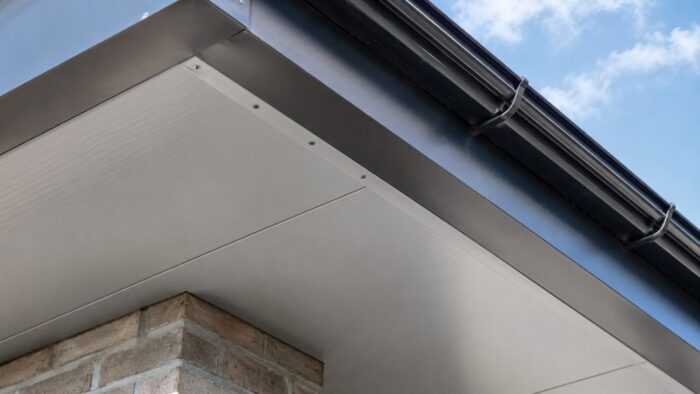
A well-built fascia and soffit system should:
- prevent water tracking behind fascia boards
- manage water discharge from the gutter line
- seal soffit edges so wind-driven rain does not get in
- support correct ventilation without letting water intrude
If you’re also dealing with roof edge detailing, it can help to read about the broader roof edge protection approach. Metal Profiles Ltd has a useful guide on roof soakers, which ties in well to eaves protection thinking.
Common mistakes to avoid (and what they cause)
Mistake 1: “We’ll just replace the boards”
Sometimes the surface boards are not the real problem. The issue might be the substrate, gutter alignment, failed sealing at a junction, or blocked ventilation pathways.
Mistake 2: Ventilation ignored
If you need roof void ventilation, the soffit ventilation approach matters. Bad venting equals condensation risk and can lead to mould in soffit cavity.
Mistake 3: Corners and junctions handled too simply
Corners and overlaps are where water checks your detailing. If corners are not finished properly, you can get damp from fascia gaps, leaking soffit vents, and repeat roofline problems.
Mistake 4: Assuming the gutter is “separate”
The gutter and fascia interaction is direct. If gutters overflow, the fascia system can end up absorbing the consequences.
Mistake 5: Choosing based on looks only
A good-looking fascia can still fail if materials and details are not suited to the roof build-up and exposure.
Practical buying and project planning advice (for homeowners, builders and developers)
If you are getting quotes, ask better questions
When comparing fascia and soffit replacement cost UK proposals, focus on scope clarity. Ask:
- Are rotten sections included, or just boards?
- Is venting included if required?
- How are corners and junctions made watertight?
- Will gutters be coordinated with fascia for correct alignment?
- What powder coating finish and RAL approach is being used?
- Are stop ends and end details included?
A surprising number of problems come from missing “small bits” that should have been part of the system from day one.
A simple scope checklist you can copy
- Fascia board replacement or installation plan
- Soffit panel type (vented or non-vented)
- Continuous soffit vent plan (if applicable)
- Corner and junction detailing
- End caps and stop ends
- Fixings and closures strategy
- Sealing plan for weather tightness
- Powder coating finish and colour selection
- Waste allowance and joint planning
- Gutter coordination (brackets, fall, alignment)
Choosing aluminium architectural metalwork as a system
If you want the roofline to look consistent, it helps to think beyond just boards. Fascia and soffits work best when they coordinate with gutters, flashings, and other roof edge detailing.
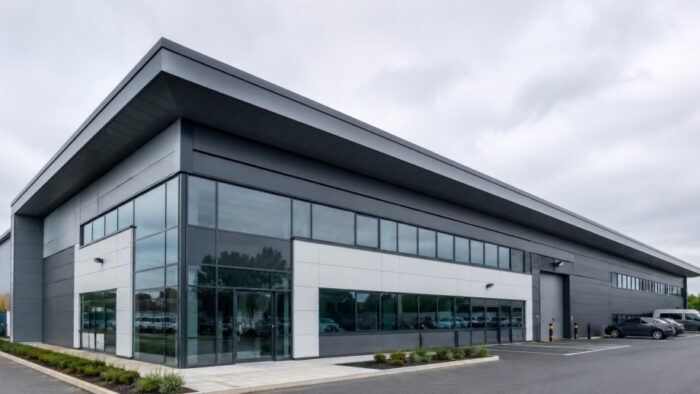
Industrial and commercial applications (what changes at bigger sites)
For industrial and commercial buildings, the expectations often shift. The roofline still needs to protect against wind-driven rain, but you also have:
- longer continuous runs
- tighter appearance control across multiple elevations
- reduced access for maintenance
- more complex roof edge geometry
That’s where aluminium can work especially well because it can be specified with neat joint planning and consistent powder coated finishes.
Bespoke profiles for complex roof edges
On complex projects, standard parts sometimes do not fit the detail. Here, bespoke fabrication can make a real difference.
Here at Metal Profiles Ltd we can fabricate aluminium copings and flashings to almost any shape, size and profile. It can be a simple flashing or an intricate bespoke profile that is specifically designed for single projects whether it be a coping system or flashing.
That same approach to “right detail for the job” is what helps commercial fascia and soffit installations look crisp and perform properly.
FAQs
-
How do I know if my fascia and soffits need replacing?
Look for damp staining near the eaves, sagging boards, damaged or missing sections, gaps around soffit edges, and signs of rot (especially with timber). If you also have mould in the roof void, ventilation and sealing details should be inspected too.
-
Can I replace fascia and soffits without replacing gutters?
Sometimes yes, but only if the gutter line, bracket fixing points, and junctions are in good condition. If you are seeing overflow stains or gutter alignment issues, coordinating the fascia and soffits with rainwater goods is usually the better plan.
-
Are vented soffit panels worth it?
If your roof build-up needs ventilation, vented soffit panels can be a worthwhile solution. The important part is correct fitting and sealing, so you get airflow without leaks at the vent openings.
-
What’s the difference between fascia capping and fascia replacement?
Fascia capping is typically a protective cover over existing boards when the underlying fascia is still sound. If the fascia is already rotten, sagging, or failing structurally, replacement is usually the more reliable long-term option.
-
What colour combinations work best for fascia and soffits?
Popular UK choices include modern black fascia and soffit, anthracite grey fascia with a lighter soffit for contrast, and white fascia with a coloured soffit contrast. Matching guttering with fascia and soffits often gives the cleanest look.
-
Why do I get damp near the eaves after replacing fascia boards?
Often the cause is elsewhere. It can be gutter overflow, poor sealing at junctions and corners, or blocked soffit ventilation. New boards alone cannot fix a moisture pathway that is still present.
-
What should I include in a proper fascia and soffit quote?
You should expect clarity on what is being replaced, whether vented soffits are included if required, how corners and junctions are finished, how gutters are coordinated, and what powder coated finish and RAL colour selection is being used.
-
Do I need planning permission to replace fascia and soffits?
Like-for-like replacements generally do not require planning permission. If you plan a significant change in appearance, rules can vary. When in doubt, it is worth checking with your local authority.
Conclusion: choose fascia and soffits like a system, not a quick fix
Fascia and soffits are the roofline area that deals with UK weather head-on at the eaves. When they are planned properly, they help prevent water ingress, support correct ventilation, and keep the roof edge looking sharp for longer.
If you’re planning a roofline upgrade and want aluminium fascia and soffits, plus help coordinating the wider roof edge details like flashings and rainwater goods, Metal Profiles Ltd can support with project-specific aluminium architectural metalwork in powder coated finishes and RAL colour options.
Discover more from Metal Profiles Ltd
Subscribe to get the latest posts sent to your email.