


What is a box gutter and how does it work?

The Role of Box Gutters in Roof Drainage Solutions
Do you struggle with water pooling on your roof? This post explains how box gutters offer an efficient solution for roof drainage problems. You will learn about their benefits, installation, and maintenance, ensuring your roof remains protected from water damage while keeping upkeep manageable.
Understanding the Functionality of Box Gutters in Roofing Systems
This section details the main parts of box gutters, explaining how these elements work to manage water flow across roof surfaces. It touches on components, including soffit, and examines benefits such as improved corrosion resistance and extended warranty compared to traditional solutions. Anthracite options further support durability and design excellence.
Identify Key Components That Make Up Box Gutters
Box gutters incorporate several critical parts that work in unison to direct rainwater effectively. The design often includes a smooth solder joint that ensures leak-free performance and relies on high-quality powder coatings to combat the effects of weather on the roofing system. Efficient packaging of each component prior to installation and cutting with precision by a specialized machine emphasise the meticulous approach to achieving consistent construction standards.
The structural integrity of box gutters is maintained by using robust materials and precise solder techniques that secure joints against water ingress. Attention to detail, such as the appropriate assembly of components and an emphasis on superior roofing standards, ensures that every part performs as expected, thanks in part to the advanced packaging and processing methods. The incorporation of powder-treated finishes further supports durability, ensuring reliable functionality under adverse conditions.
Recognise How Box Gutters Manage Water Flow
The design of box gutters allows them to direct rainwater efficiently across roof surfaces by utilising precisely engineered components. The incorporation of durable flashing and secure rivets supports effective water movement, managing the water flow around critical areas such as the valley and ensuring the proper radius is maintained for optimal drainage at an affordable price.
Advanced techniques in the installation process ensure that box gutters maintain consistent performance even in challenging conditions. Robust rivet connections work in conjunction with high-quality flashing to secure components, effectively managing water flow from the roof to the valley, while precise measurements of the radius contribute to efficient water channeling without increasing the overall price.
Examine the Advantages of Using Box Gutters Over Traditional Systems
Box gutters offer improved water management by incorporating sheet metal components, precision fasteners, and a reliable sealant system. Their design provides efficient drainage, making them a practical option for both flat roofs and inclined structures, ultimately reducing maintenance efforts and potential leak issues.
These gutters efficiently channel water away from critical roof areas, utilising robust fasteners and high-quality sheet metal to enhance strength. The incorporation of a proven sealant system further promotes longevity and steady drainage performance, addressing common concerns in traditional roof drainage solutions.
Key Benefits of Implementing Box Gutters for Roof Drainage
Box gutters improve water flow across roofs while integrating with eaves, pipes, and siding. Their durable design, featuring musket fasteners, helps reduce water damage risk and offers lasting performance. The upcoming sections assess these water management capabilities, examine damage reduction measures, and evaluate system longevity for effective roof drainage solutions.
Explore Improved Water Management Capabilities With Box Gutters
Box gutters offer enhanced water management through robust construction methods such as precise welding and the use of stainless steel components to maintain integrity under adverse weather. The system integrates easily with parapet and fascia installations, ensuring secure and efficient drainage while preserving a reliable structure in various architectures, including modern sky blue accents.
The design of these gutters delivers reliable performance by incorporating durable materials that resist corrosion and wear. Their construction utilises welding techniques that optimise component alignment, ensuring effective water channeling across roof surfaces, which substantially reduces potential water damage and maintenance needs.
Assess the Reduced Risk of Water Damage From Box Gutters
Box gutters reduce water damage risk by directing rainwater away from vulnerable roof areas. This efficient drainage system considers every angle for optimum water flow, protecting architecture built with materials such as slate from prolonged exposure. The system’s robust installation protects not only structural components but also ensures that operational aspects, such as personal data from connected systems, remain secure and unaffected.
Industry experts have noted that box gutters offer a secure method for maintaining roof integrity, particularly in buildings with modern design influences highlighted on rss feeds. The precise installation and durable design deliver dependable performance, effectively mitigating water damage while preserving sensitive areas. This careful approach supports a proactive method in property management and maintenance.
Evaluate the Longevity and Durability of Box Gutter Systems
Box gutter systems exhibit lasting performance due to their robust construction approach, with features such as alum reinforcements playing a significant role. Expert assessments found that precise soldering and the use of an ogee profile help secure durable joints and a strong wall, ensuring the system can withstand challenging weather conditions without regular maintenance calls to the email address of service providers.
Practical applications in building projects demonstrate that the system’s overall investment in high-quality construction materials extends its lifespan. Field trials indicate that coordinated assembly, including alum elements and defined ogee curves, supports a sturdy wall design that adapts well to varied usage scenarios, offering a reliable solution for long-term roof drainage needs.
The Installation Process of Box Gutters for Effective Drainage
Preparation begins by readying the roof structure for secure installation. The process covers a clear, step-by-step guide, discussing suitable materials like copper, wood, cast iron, and detailing features such as chamfer and charcoal finishes. This overview sets the stage for practical insights that support a reliable and durable gutter system.
Prepare the Roof Structure for Proper Box Gutter Installation
Preparation of the roof structure involves verifying that all surfaces are clear, secure and suitable for installation of the gutter system. Contractors ensure that exposed metal components are free of damage and reinforced with a sturdy bracket, while also checking that polyester-based protective coatings on existing features are well maintained.
Before mounting the gutters, the roofing team utilises a cart to transport essential tools and spare parts to the site. They take careful measurements and secure silver-coloured fixtures to align the system with the roof, ensuring a reliable foundation for effective drainage.
Understand the Step-by-Step Installation Process
Installation experts begin by verifying the exact length needed for a proper fit and marking the roof edge to prepare the gutter systems for mounting. They position the flange accurately and secure it using techniques that ensure reliability, while integrating a neutral beige element in the powder coating to match building aesthetics.
The team processes each step with precision, utilising specialised tools to keep the measurements exact and the installation on track. They maintain high standards by applying durable powder coating and reinforcing components with secure flange connections to achieve a robust gutter system.
Learn About Common Materials Used for Box Gutters
Box gutters typically incorporate a range of materials, such as iron components that ensure robust performance under various weather conditions on a roof. Industry professionals in Kentucky recommend using a blend of almond and bronze finishes to complement the metal framework while providing a visually pleasing, durable solution that withstands the test of time.
Manufacturers often choose high-grade iron paired with carefully selected bronze alloys to achieve an optimal balance between strength and aesthetics. Experts in roof drainage systems observe that the use of almond accents adds a subtle detail, contributing to the overall integrity and long-term performance preferred across Kentucky projects.
Maintenance Tips for Keeping Box Gutters Functional
Maintaining a box gutter, including box gutter aluminium systems, involves creating a routine schedule, identifying common blockages, and inspecting for wear. This approach supports building code standards in northern kentucky by ensuring every nut secures the gutter’s performance.
Create a Routine Maintenance Schedule for Box Gutters
To ensure long-lasting performance, professionals recommend scheduling regular inspections of the box gutters, especially after heavy snow or rainfall events. They verify that each downspout remains clear of debris, check for signs of sewage backup, and examine the patina on metal components for corrosion while ensuring any loose screw is securely tightened.
Experts advise setting specific times during the year to clean and maintain the gutter system, which prevents potential blockages and structural issues. Routine assessments during seasonal changes confirm that weather-related impacts, such as snow buildup, do not compromise the efficiency of the system or safety, thereby supporting overall roof drainage solutions.
Identify Common Blockages and How to Clear Them
Common blockages in a gutter system often occur when debris accumulates beneath the grey coping or around the rain gutter, limiting water flow and potentially causing damage to the building’s basement. Experts note that removing leaves and twigs with a garden rake or a specialised tool frequently restores proper functioning, ensuring the rain gutter channels water efficiently away from the structure.
Blockages may also develop from sediment buildup in joints and seams, which can disrupt the overall efficiency of the gutter system. Professional advice recommends using a gentle water stream to dislodge particles and maintain clear drainage channels, thereby protecting both the roof and the basement from water-related issues.
Inspect Your Box Gutters for Signs of Wear and Tear
Experienced contractors regularly examine box gutters to identify early signs of deterioration. They look for loose joints, corrosion on metal surfaces, and build-up of debris that may affect drainage efficiency, ensuring that repairs are made before minor issues become substantial problems.
Skilled professionals suggest using a gentle water spray to check for any hidden damage below the surface. This practical approach provides clear evidence of wear, allowing maintenance teams to perform targeted interventions that preserve the integrity and performance of the gutter system.
Common Issues Associated With Box Gutters and Solutions
Box gutters may face issues such as leaks, water overflow, and corrosion. This section reviews typical problems, explores how to address leaks and water flow challenges, and offers practical solutions to combat rust in metal gutters. Expert insights guide property managers in maintaining effective roof drainage systems.
Understand Typical Problems That Arise With Box Gutters
Box gutters often experience problems such as water leaks due to imperfect joint alignment or inferior assembly practices. Industry experts advise monitoring these areas closely to pinpoint early signs of damage that may affect the overall roof drainage system.
Some box gutter installations face blockages caused by debris accumulation or sediment build-up, which impairs efficient water flow across the roof surface. Professionals recommend regular inspections and gentle cleaning methods to maintain system performance and to address issues before they develop into larger concerns.
Addressing Leaks and Water Overflow in Box Gutters
Box gutters experience leaks and water overflow when joints are not aligned correctly or when installation lacks precision. Expert assessments recommend inspecting these connections regularly, as tight joints and secure overlaps prevent water from escaping erroneously and causing further damage.
Specialised maintenance techniques involve careful cleaning of gutters and verifying the integrity of fasteners to ensure natural water flow. Skilled professionals advise routine checks especially after heavy rainfall, enabling early intervention to rectify minor leaks before they develop into larger issues.
Solutions for Rust and Corrosion in Metal Box Gutters
Experts recommend using high-quality rust inhibitors and protective coatings to combat corrosion in metal box gutters. Regular maintenance and inspection ensure that early signs of rust are managed effectively, reducing repair costs and preserving structural integrity.
Industry professionals advise applying specialised sealants along vulnerable joints to prevent water penetration and rust formation in metal box gutters. Practical examples from recent projects show that routine cleaning and prompt treatment of affected areas can extend the life of the gutter system significantly.
Comparing Box Gutters to Other Roof Drainage Solutions
Box gutters provide a reliable alternative to traditional gutter systems. The discussion covers the efficiency of box gutters compared to downspouts and examines the cost implications of various drainage options, presenting practical insights. This comparison offers property managers clear guidance for selecting durable roof drainage solutions.
Contrast Box Gutters With Traditional Gutter Systems
Box gutters offer a modern alternative to traditional gutter systems by providing a more robust and integrated design that ensures effective water management. Their compact structure and precision-engineered joints reduce the risk of leaks and blockages, appealing to property managers seeking reliability in roof drainage solutions.
Traditional gutter systems, often featuring a simpler design, may require frequent adjustments to handle heavy loads or debris buildup. Industry professionals note that box gutters provide superior performance and consistency in water flow, benefiting building owners who prioritize long-term durability and minimal maintenance concerns.
Review the Effectiveness of Box Gutters Versus Downspouts
Box gutters offer a robust and integrated approach to draining water from roofs compared to downspouts, which may require additional systems for handling high water volumes. Their engineered design ensures that water is channelled away efficiently, reducing the need for frequent adjustments and providing property managers with a dependable roof drainage solution.
Industry professionals have observed that the compact structure of box gutters contributes to enhanced water flow and minimal blockage issues relative to downspouts. Real-world usage shows that this design consistently manages water under heavy conditions while reducing long-term maintenance requirements, making it a practical choice for modern buildings.
Analyse Cost Implications for Different Drainage Options
Industry professionals note that the upfront cost of box gutters can differ from traditional drainage options, with initial investments in materials and installation often being higher. However, these systems usually offer long-term savings by reducing repair calls and maintenance expenses, making them a financially sound option for property owners in search of robust roof drainage solutions.
Technical insights reveal that box gutters, when compared to simpler downspout designs, deliver improved performance that can ultimately lower costs associated with water damage and routine upkeep. Practical experiences in various building projects confirm that a well-installed box gutter system provides a resilient drainage alternative that supports both budget considerations and long-term property protection.
Box valley gutter detail: what to check
A “box valley gutter detail” is the junction where a box gutter ties into the valley area of the roof. Getting this junction right is often what prevents pooling, overflow and frustrating leaks. When two roof areas meet, water can concentrate in the valley region. In a box valley setup, the guttering system should be planned to:
- collect water smoothly from the roof planes,
- direct it reliably to the outlet/downpipe,
- maintain weathertight interfaces where materials meet.
If you’re reviewing an existing installation or planning a new roof drainage layout, it’s helpful to focus on the junction points and the “path” water takes during heavy rainfall.
Key interfaces in the box valley gutter detail
Use the following checklist to understand what typically matters most at the valley junction:
- Flashing and junction detailing: ensure the interfaces between roof coverings, flashing and the box gutter are correctly lapped and sealed.
- Outlets and flow routes: confirm that water can reach the outlet without obstruction, especially where the valley channel changes direction.
- Seams and joints: check where the system is joined, because these are common locations for seepage if workmanship or sealing is compromised.
- Overflow and water management: consider where excess water would go in extreme weather (if the primary flow path is overwhelmed).
- Maintenance access: valleys can collect debris; plan for inspection and cleaning so blockages don’t build up unseen.
If anything is unclear about the specific roof layout, confirm with Metal Profiles Ltd so the team can advise on the best approach for your detailing.
A box valley gutter detail is commonly considered for:
- roof designs with pronounced valleys and limited space for traditional guttering,
- flat-to-pitched transitions and complex roof geometry,
- projects where a neat, continuous drainage channel is preferred for aesthetic reasons,
- refurbishments where existing drainage is causing pooling or leak call-backs.
Benefits of getting the box valley gutter detail right
- Reduced risk of pooling: smoother water collection at the valley area
- Better drainage confidence: clearer path from valley channel to outlet
- Lower maintenance problems: fewer debris-related issues when cleaning is built in
- Improved weathertightness: stronger junction detailing where leaks often start
- Longer system performance: less stress on the drainage components over time
Conclusion
Box gutters offer a robust solution that reliably manages water flow from roofs. They combine precise installation practices with quality materials to prevent leaks, blockages, and decay. Their design ensures that water is directed safely away from critical areas, securing building integrity over time. Investing in box gutters translates to a cost-effective approach to roof drainage that reduces repair and maintenance efforts.
FAQ: Box gutters (what they are and how they work)
-
What is a box gutter?
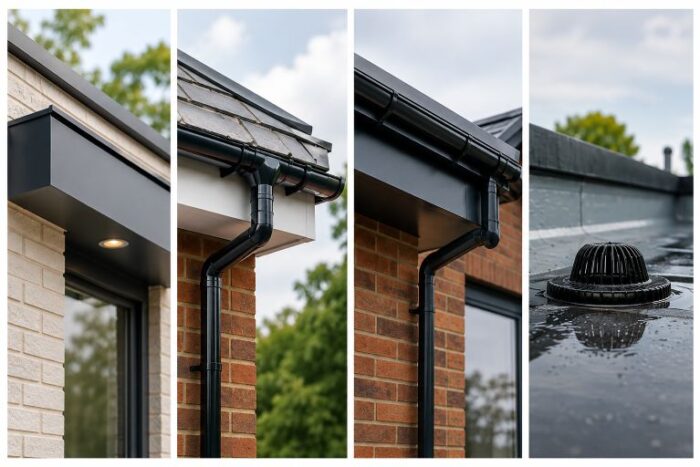
A box gutter is a concealed channel formed within a roof edge or parapet detail, designed to collect rainwater and move it towards outlets and downpipes. Unlike an external gutter, the drainage line sits “inside” the building’s roof perimeter, which is why detailing at joints and outlets is so important.
-
How does a box gutter drain water?
Box gutters drain water by collecting runoff from the roof surface and carrying it along the channel to internal outlets. To work reliably, the system needs correct falls, watertight junction detailing, and well-positioned outlets so water doesn’t back up or overflow at corners.
-
Are box gutters suitable for flat roofs?
Yes, box gutters are commonly used on flat roofs and parapet roofs where an external gutter line isn’t ideal. They’re particularly useful when you need a cleaner façade line or want the drainage integrated into the roof construction.
-
What causes leaks in box gutters?
Leaks are usually caused by problems at vulnerable points such as joints, end caps, outlet connections, corners, and transitions. In practice, poor alignment, inadequate sealing, blocked debris creating water retention, or movement at junctions can all contribute to water ingress.
-
How do you maintain a box gutter?
Maintenance generally involves periodic inspections and keeping the channel clear of leaves, silt and debris. After heavy rain or storms, it’s worth checking outlets and ensuring water is flowing freely. If you notice staining, damp patches, or repeated pooling, get the system inspected promptly.
-
What are common blockages in box gutters?
Debris tends to collect around internal corners and near outlets, including leaves, moss and fine sediment. When blockages build up, the gutter can overflow or allow water to pond, increasing the risk of staining and damage to the roof edge or parapet lining.
-
How do box gutters compare with traditional gutter systems?
Traditional gutters are exposed and easier to access, while box gutters are integrated into the roof build-up. Box gutters can suit modern architecture and parapet designs, but they rely heavily on correct installation at junctions and outlets, so specification and workmanship matter.
-
Do box gutters need to be cleaned in winter?
Winter weather can bring heavier leaf fall, moss growth and debris accumulation, especially after storms. It’s a good idea to inspect and clear box gutters as required, and to ensure outlets are free-flowing so water can drain away before freeze-thaw conditions cause issues.
-
Can you get box gutters in aluminium?
Yes. Many projects use aluminium box gutter systems because they’re suited to external exposure and can be finished in project-appropriate colours. The right choice depends on the roof detail, outlet arrangement, and the rest of the rainwater package.
-
What is a box valley gutter detail?
It’s the junction detail that connects roof valley areas to a box gutter channel so rainwater is captured and directed to outlets safely.
-
Why do box valley gutter installations sometimes leak?
Leaks are often linked to issues at junction interfaces, seams/joints, or an outlet path that isn’t receiving water as intended.
-
How do I reduce blockages in a box valley gutter?
Plan for access and routine checks, especially after storms when debris collects in valley areas.
-
What should be checked around the outlet?
Confirm the flow path to the outlet/downpipe is clear and that the surrounding detailing supports reliable water drainage.
-
Do box valley gutter details work with aluminium box gutter systems?
Aluminium box gutter systems can be specified for roof drainage applications confirm the best detailing approach with Metal Profiles Ltd for your roof design.
Find us on Google Maps
Discover more from Metal Profiles Ltd
Subscribe to get the latest posts sent to your email.