


How to install aluminium coping
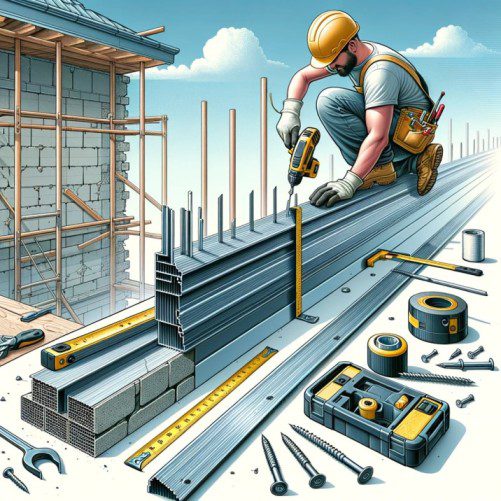
Installing Aluminium Coping
Building construction requires installing aluminium coping to protect the top edges of walls, especially roof parapets. Its major goal is to prevent water from entering the building structure and causing costly repairs. Due to its resilience, lightweight, and corrosion resistance, aluminium is a great coping material for long-term environmental protection.
Aluminium coping must be properly installed for building lifespan and aesthetics. When coping is installed as part of a complete roof edge protection strategy, it’s not just about looking tidy. The real benefit is reducing where water can track into mortar joints and vulnerable wall tops over time especially at ends, corners and any changes of parapet height.
For UK properties in areas like Chelmsford and London, good coping detailing helps you manage the long stretches of wet weather and wind-driven rain that put parapets under constant stress. That’s why contractors focus so much on junctions and finishes at the fitting stage. Poor installation can cause water leaks, structural damage, and increased maintenance expenses. This article will walk you through installing aluminium coping, from gathering equipment and materials to finishing with a professional and secure fit. These procedures will enable DIYers and contractors to install with precision and confidence.
Tools and Supplies
Gather all the equipment and supplies before installing aluminium coping to guarantee a seamless job. A complete list to help you:
Tools:
- Tape Measure for accurate wall and aluminium coping measurements.
- Cut aluminium coping to length with metal snips.
- Use metal drill bits to drill bracket holes.
- Rivet guns or screws secure the coping, depending on your attachment option.
- Water-proofing caulking gun.
Chalk Line: For level installation, mark long, straight lines.
Level: To ensure all installed pieces are horizontal.
The workplace may need safety glasses, gloves, and a hard helmet. If you’re working on a multi-run façade or a large roofline project, set out the coping line and bracket positions early. That way, the team can keep the same alignment from bay to bay and avoid uneven joints that are harder to fix later.
Materials:
Aluminium Coping: Available in numerous sizes and designs to suit your building’s aesthetic and practical needs.
Brackets: These hold the coping to the wall.
sealer: A high-quality, weatherproof sealer to waterproof the coping.
Rivets versus screws: Installation choice and structural criteria.
Butyl Tape or Foam Backer Rod: Seals coping joints.
Also think about the appearance and finish you want once installation is complete. Many projects specify powder coated aluminium fascia and coping, often selected to match RAL colour schemes across the roofline for a consistent external elevation.
A good installation requires preparation, which you can do with the correct equipment and supplies. Preparation is where most “small” issues become avoidable. Taking a moment to check the wall top condition and remove anything loose or friable helps brackets bite properly and helps the coping sit tight, which supports weather-tight jointing.
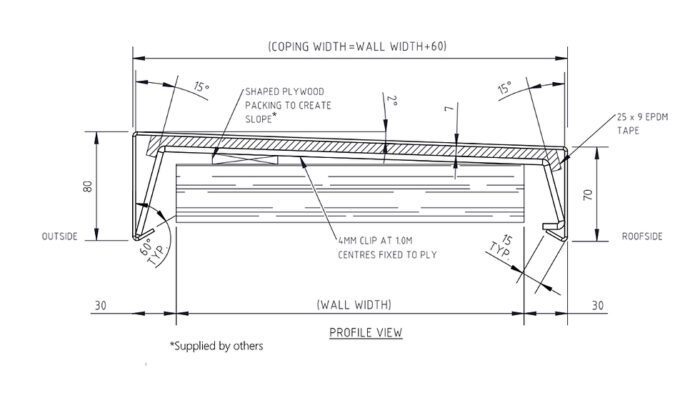
Installing Aluminium Coping Prepare Steps
Proper preparation is essential for a smooth and robust aluminium coping installation. Follow these preparatory steps carefully:
Measure and Plan:
Wall Assessment: Check the wall for coping installation. Check for damage and structural integrity.
Take Measurements: Measure the wall length to estimate coping and bracket quantities.
Consider adding 10% additional material for waste and cutting mistakes. It’s also worth mapping out the coping run carefully around any parapet ends and returns. Those areas usually need extra attention because they’re where rainwater can concentrate and where seams can be more exposed.
If your parapet has step-ups, offsets or tighter corners, plan where sections join before you cut. A well-planned joint line looks better, and it makes sealing and finishing more straightforward during installation.
Plan Layout: Arrange brackets equally for best support. Brackets are usually 24–36 inches apart. While bracket spacing can depend on the coping system, the principle is the same: support the coping line so it sits flat and doesn’t flex. Proper support reduces stress on the joint and sealant areas, which helps coping remain effective over time.
Safety Advice:
Check Weather: Wind and rain may make aluminium coping installation risky and difficult.
Wear safety gear: Protect yourself from aluminium coping edges and falls by using safety gear.
Scaffolding and ladders should be safe and steady when operating at height. Avoid fitting coping in extremely windy conditions where alignment becomes difficult. If rain is expected, cover cut lengths and keep sealing work tidy so the junction stays weather-tight once the coping is fixed.
Instructions for Installation
Following these comprehensive procedures, installation can begin:
Prior to installation, clean the top of the wall to eliminate any debris, dust, or loose material that might hinder the process. Use primer or waterproofing membrane as needed. If you find any damaged pointing or unstable wall-top material, deal with that before fixing coping. Coping protects the edge, but it can’t correct underlying movement or failure in the substrate.
To measure and cut aluminium coping, use the previously measured measures to draw the coping with a chalk line for straight cuts.
Cutting the coping with metal snips should be clean and straight. Make sure it fits before fastening. Trial fitting each length can feel like extra work, but it saves time later. It also gives you a chance to confirm the overlap/joint position sits correctly at corners and ends where water ingress risk is highest.
Bracket Installation:
Place brackets according to your scheme. Make level, aligned bracket holes in the wall with the drill.
Check that the brackets are securely attached to the wall using screws or rivets. Before you start fixing the coping, do a quick visual check along the full run. Ensure bracket lines are consistent and that any uneven points are corrected early rather than forcing the coping to fit awkwardly.
Fitting the Coping: Place aluminium coping over brackets. Each piece should overlap by 2 inches to prevent water from leaking through joints. Even when overlaps are used, joints and seams remain critical. Take extra care at every end, corner, return and step point and make sure the coping sits neatly so sealing can form a continuous weather-tight line.
Attach coping to brackets. If your coping has a snap-on mechanism, click each piece in place; otherwise, rivet or screw.
Use a caulking gun to apply sealant around the edges of the coping where it meets the wall and at any connections between sections.
Seal all seams and joints to prevent water entry. When sealing, aim for consistent coverage without gaps. Over-applying sealant can look untidy and may make inspections harder later, so use a clean application and finish neatly along the coping line.
Final adjustments and checks:
Make sure the coping is firmly fixed and sealed along its length.
Adjust brackets and sealant for a tidy finish. If possible, inspect the finished coping line at different angles. This helps you spot misalignment, small gaps at joints, or sealant areas that may not have formed properly before you leave the site.
Maintenance and Care
Regular maintenance is necessary to keep your freshly placed aluminium coping in good shape and protecting your structure.
Important maintenance tips:
The frequency of regular inspections is: Check for wear and damage at least twice a year, usually in spring and autumn.
Look for: Check for loose parts, corrosion, and sealant failures. Make sure the coping is aligned and secure.
Procedure for cleaning: Remove leaves and dirt from the coping. Clean the surface with a gentle cloth or brush and mild detergent and water.
Stay away from harsh chemicals: Do not use harsh cleaners or chemicals that might harm the aluminium coping’s polish. Cleaning isn’t just about appearance. Dirt trapped at joints can hold moisture and make it harder to spot early sealant breakdown. A simple routine clean helps maintain both performance and inspection visibility.
Aluminium Coping Immediate Repairs
Quickly Address Issues: Inspect for damage and fix it promptly to prevent future deterioration. Tighten screws, replace damaged components, or reapply sealant. If you notice a lifted sealant edge or a joint line that looks slightly opened, re-check it before it expands. Catching small problems early is usually quicker and less disruptive than waiting for water ingress symptoms to appear elsewhere.
Professional Checks:
Talk to Experts: Consult a aluminium coping specialist if you see serious damage or are unsure how to proceed. They offer professional guidance and services to preserve coping integrity and functionality.
These maintenance and care methods may greatly extend the life of your aluminium coping and keep it protected. For installers and contractors working across Chelmsford, Essex and London, the best results come from treating coping as part of the roofline system. Coordinate with the fascia, gutters and any adjacent detailing so water is managed consistently from collection through to dispersal.
Conclusion
Installing aluminium coping improves a building’s look and utility. You can install aluminium coping accurately and effectively by following this guide’s precise stages, from obtaining the right equipment and supplies to installing it carefully. Remember that appropriate installation reduces water penetration and improves your building’s structural integrity and aesthetics.
This article covers everything you need to install aluminium coping. Best outcomes require following safety and installation requirements throughout the procedure. Maintenance and upkeep are essential to extend the life of your coping and keep it safeguarding your structure.
The correct equipment, materials, and strategy may make installing aluminium coping easy and enjoyable. A job properly done, knowing you’ve protected a structure from the weather, is unmatched for DIYers and contractors.
Thank you for following our aluminium coping installation instructions. We hope it gives you the confidence and accuracy to complete your assignments. Follow our blog for building maintenance and improvement tips.
Follow us on LinkedIn and google maps.
FAQs about Installing Aluminium Coping
-
What is aluminium coping used for?
Aluminium coping is fitted to parapet walls and exposed wall tops to help shed rainwater away from the building fabric. Its job is roof edge protection and parapet wall protection—reducing the risk of moisture soaking into mortar lines and joints.
-
How does aluminium coping help prevent water ingress?
Rainwater is directed across the top surface and away from vulnerable edges. By creating a weathering layer and providing weather-tight joints, coping helps reduce the chance of water tracking into gaps at ends, corners, returns and junctions.
-
What is the first step in installing aluminium coping?
The first step is planning and measurement. Check the wall top condition, measure the run length, identify corners/returns/step points, and plan how many coping pieces and brackets you’ll need before you cut anything.
-
Do you need scaffolding to install aluminium coping?
It depends on the height and access. For high parapet walls or where safe working requires it, use appropriate access such as scaffold. Avoid unsafe ladder positions and carry out the work in suitable weather conditions where possible.
-
What tools and materials do you need for installing aluminium coping?
Typical tools include a tape measure, chalk line, drill, cutting method for aluminium, a level and a fixing tool (rivets or screws). Materials usually include the aluminium coping, compatible brackets, exterior-grade weatherproof sealant, and joint sealing support where specified.
-
How are aluminium coping brackets installed?
Brackets are set out along a level line and fixed securely to the wall substrate. The goal is a consistent support line so the coping sits correctly along the full run, including corners and ends—because alignment directly affects the quality of the seals at joints.
-
Should aluminium coping joints overlap?
Many aluminium coping systems use overlaps or a specific joint method to reduce water tracking at seams. The exact overlap and finishing method depends on the coping profile and system instructions, so follow the specified joint detail for your chosen coping.
-
How do you seal aluminium coping correctly?
Seal the coping-to-wall interface and weather-critical seams using a suitable exterior sealant compatible with the coping system. Apply neatly to avoid gaps and ensure the joint lines remain fully treated once installation is complete.
-
What can go wrong with installing aluminium coping?
Common issues include brackets that aren’t level, coping that’s forced at corners, poorly finished joints, and sealant that hasn’t formed a continuous line. If the wall top is damaged or unstable, coping may also fail to perform as expected because the substrate wasn’t prepared properly.
-
How do you maintain aluminium coping after installation?
Aluminium coping is low maintenance, but it should be inspected at least twice a year (often spring and autumn). Look for loose fixings, damaged sections at corners/ends, and any sealant breakdown at joints. Clean gently to remove leaves and debris so early problems are easier to spot.
Discover more from Metal Profiles Ltd
Subscribe to get the latest posts sent to your email.