



A roof can only perform as well as the details around its edges, junctions and penetrations. While the roof covering receives most of the attention, smaller components such as drip trim, flashing, valleys, roof soakers, termination bars and pipe sleeves often determine how cleanly the roof is finished and how effectively water is directed away from vulnerable areas.
For homeowners planning an extension, roofing contractors working on a refurbishment, architects preparing drawings or facilities teams managing ongoing maintenance, selecting the right roof accessories should be part of the project plan from the beginning. These components are not simply add-ons. They help bring roof edges, membranes, wall junctions, rainwater routes and service penetrations into a coordinated detail.
This guide explains what roof accessories include, when different components may be considered, what should be checked before ordering and how roof details connect with wider systems such as fascia, gutters, copings and living roofs. The aim is to make the selection process clearer, whether the project is a small domestic repair, a roof extension, a new build or a more detailed commercial specification.
Start With the Roof Detail, Not the Individual Product
The most reliable way to select roof accessories is to start with the roof detail as a whole. Before choosing a trim or accessory, consider the roof type, the roof covering or membrane, the direction of water flow, the edge condition, the adjoining wall or parapet and any points where pipes or services pass through the roof.
A flat roof perimeter has different requirements from a pitched roof valley. A parapet upstand is different from a simple fascia edge. A roof with a green roof build-up needs different edge retention and inspection considerations from a standard membrane roof. Looking at the complete assembly first helps prevent a situation where a product is ordered in isolation but does not suit the rest of the detail.
For a domestic project, the starting point may be simple. A homeowner may be replacing an ageing roof edge, improving a rear extension or resolving a recurring issue around guttering and fascia. For contractors and architects, the process is usually more specification-led, with drawings, roof build-up dimensions, materials, junction details and finish requirements all needing to work together.
The core questions are straightforward:
- Where does water leave the roof?
- Does the roof meet a wall, a parapet, another roof slope or a gutter?
- Is there a membrane edge that needs mechanical fixing?
- Are there pipe penetrations or service outlets?
- Does the detail need to coordinate with coping, fascia, guttering or cladding?
- Is the requirement standard, or does the project have non-standard dimensions or angles?
Answering these points before ordering gives a clearer path through the available product options.
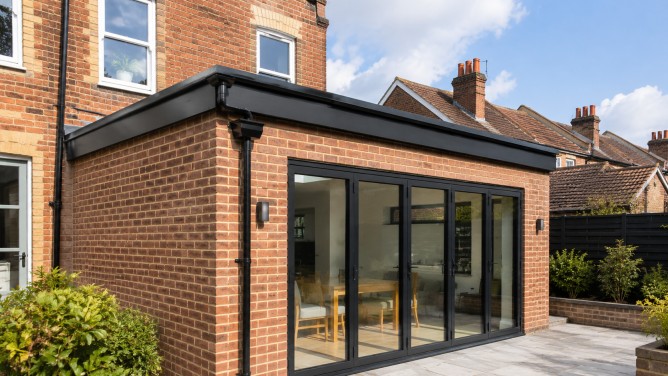
What Roof Accessories Include
Roof accessories cover the practical components used to finish and protect roof edges, changes in level, junctions and penetrations. The range is broader than a single trim profile because roof details often require several elements working together.
The current wider accessories range includes roof accessories and specialist living roof accessories. This makes it easier to consider standard roof edge detailing and green roof-related components as part of the same wider project requirement.
Typical roof accessory requirements can include:
- Aluminium roof edge drip trim for flat roof perimeters
- Internal and external corner pieces
- Internal joiners for continuous trim runs
- Roof flashing for junctions and changes in level
- Aluminium valley sections for roof valleys
- Termination bars for membrane edges and upstands
- Roof soakers for selected pitched roof junctions
- Aluminium and lead pipe sleeves for roof penetrations
- Galvanised steel angle for selected support or edge conditions
- Colour coded fasteners, sealant, touch-up paint and spray products for coordinated finishing
These items may be small compared with the roof area, but they often sit in the locations where a poorly planned detail can become visible. A neat roof edge can improve the overall appearance of a project, while a correctly considered flashing or sleeve detail can help support the wider weathering strategy around a roof junction.
For straightforward requirements, the online shop can help buyers identify standard products and common sizes. For more complex roof layouts, project drawings, measurements and photographs are usually a better starting point than choosing components solely from a product list.
Roof Edge Drip Trim for Flat Roof Perimeters
Roof edge drip trim is commonly considered around the perimeter of a flat roof where water needs to leave the roof surface and be directed towards the guttering or rainwater route below. It creates a defined roof edge and helps bring the membrane, fascia area and gutter line into a more coordinated finish.
On a simple flat roof extension, a drip trim may form part of the visible front edge above the gutter. On a parapet detail, the relationship may be different because coping, flashing, wall finishes and membrane upstands can all be involved. The correct profile should be selected according to the roof build-up and the wider detail rather than only the visible face of the trim.
Before choosing a roof edge trim, check the length of each straight run and identify where corners, returns and joins will occur. Internal and external corners should not be treated as an afterthought because they affect the continuity of the roof edge. Where the project includes multiple roof levels or an unusual shape, it may also be useful to review whether standard 90-degree corners are suitable.
The roof edge should also be considered alongside the guttering arrangement. A trim may direct water away from the roof edge, but the gutter still needs to be positioned appropriately to receive it. This is why the roof covering, drip trim, fascia, gutter and downpipe should be reviewed together.
Roof Flashing for Junctions, Changes in Level and Upstands
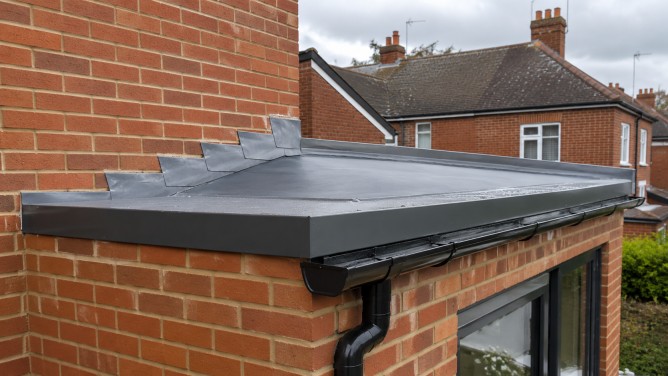
Roof flashing is used where roofing materials meet another surface or change direction. Common examples include wall abutments, parapet upstands, roof level changes, roof-to-wall junctions and selected roof penetrations.
The role of flashing is to help manage water at locations where a simple roof surface is interrupted. These areas often need more attention because water can collect, run sideways or track along a junction rather than following the main fall of the roof.
When selecting roof flashing, it is helpful to understand the precise junction being detailed. A flashing at a wall abutment may need a different profile from one used around a change in roof level. The projection, upstand height, fixing approach, membrane type and surrounding materials can all influence what is suitable.
For a refurbishment project, photographs of the existing junction can be particularly useful. They can show whether the detail involves brickwork, cladding, render, a parapet cap, existing leadwork or another roof covering. For a new build or extension, section drawings are often more useful because they show the complete roof build-up and the intended relationship between each layer.
Roof flashing can also be coordinated with other external metalwork. A powder coated finish may be considered where visible roofline elements, fascia, copings, gutters or window surrounds follow a consistent exterior colour scheme. A wide range of RAL or BS colour options may be available, subject to the selected finish and project requirement.
Valley Sections and Roof Soakers for Pitched Roof Details
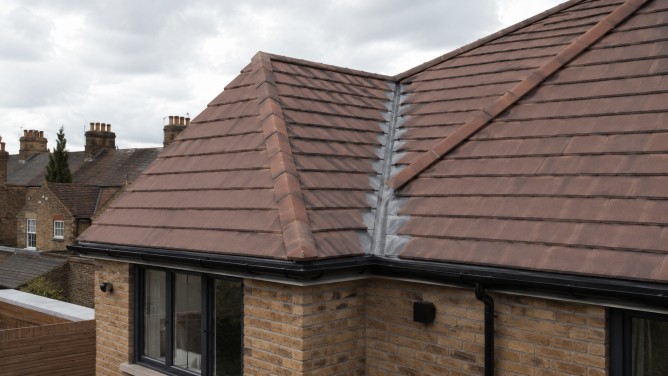
Pitched roofs bring a different set of water-management considerations. When two roof slopes meet, a valley section can help guide water along the meeting point and towards the drainage route below. The length of the valley, roof pitch, expected water flow and adjoining roof covering should all be considered before selection.
Roof soakers are another component used in selected pitched roof junctions. They may be relevant around features such as chimneys or roof junctions where water needs to be directed safely past a change in the roof surface.
These components should not be selected only by matching a product name to a roof type. The roof slope, tile or slate arrangement, junction geometry and wider flashing detail all matter. A small difference in the roof layout can affect how a valley or soaker needs to work with adjacent materials.
It is useful to review whether the roof project also includes related flashings, wall details or rainwater goods. The valley section may form one part of a wider route for water, but the guttering and downpipes still need to manage water once it reaches the eaves.
For more complex pitched roof refurbishments, clear measurements and photographs help avoid assumptions. Include the length of the valley, the roof pitch where known, the roof covering type and images of any adjoining wall or chimney detail.
Termination Bars and Pipe Sleeves for Membranes and Penetrations
Flat roof membranes and service penetrations often need additional detailing where the roof surface meets an upstand, wall, edge or pipe. Termination bars can be considered where a membrane edge needs to be mechanically secured at a suitable junction. Pipe sleeves may be relevant where pipework or services pass through the roof surface and the penetration needs to coordinate with the surrounding roof build-up.
The key point is that the accessory must suit the detail around it. A pipe sleeve needs to relate to the outside diameter of the pipe and the membrane arrangement. A termination bar needs to work with the chosen membrane system and the upstand or wall detail. These are not areas where a generic choice should be made without reviewing the project specification.
For contractors, it is sensible to check the membrane manufacturer’s requirements before finalising compatible components. For architects and specifiers, the detail should be clear on the drawing so that roof accessories can be selected as part of the complete assembly rather than added at the final stage.
The roof build-up thickness is particularly important. Insulation, deck, membrane, overlay materials and edge details can all affect the final relationship between a pipe sleeve, termination bar, flashing or trim. Recording the full build-up at the start can reduce the likelihood of changes later.
Living Roof Accessories Need Their Own Considerations
Living roofs, sedum roofs and planted roof systems require specialist edge and inspection details. The growing medium, drainage layer, vegetation and waterproofing system create a different roof assembly from a standard flat roof, so the perimeter and access points need to be planned accordingly.
The living roof accessories range includes aluminium green roof edge retention trim, deck and parapet inspection chambers, and colour coded fasteners. These components are designed for the specific needs of planted roof systems rather than standard roof perimeter detailing.
Edge retention trim can help create a defined perimeter around the green roof build-up. Inspection chambers can provide access around drainage outlets or other areas that may need to remain accessible for inspection and maintenance. The final detail should be coordinated with the overall green roof design, drainage layout, waterproofing specification and roof edge condition.
A green roof should not be treated as a standard flat roof with planting placed on top. It has additional layers, drainage requirements and maintenance considerations. The roof structure, loading, waterproofing and planting specification should be reviewed by the relevant project team before selecting accessories.

How Roof Accessories Connect With the Wider Roofline
Roof accessories rarely sit alone. A drip trim can connect to fascia and guttering. A flashing detail may meet wall copings, cladding or window surrounds. A valley can direct water towards gutters and downpipes. A pipe sleeve can relate to membrane and service routes. Looking at each component in isolation can create a detail that appears finished but does not fully coordinate with the rest of the roofline.
This is where a broader product view is useful. Roof edge trims and termination details may need to work alongside fascia, soffits, box gutters, coping systems and rainwater goods. Where a property or commercial project uses several aluminium components, finish coordination can help create a more consistent appearance.
For architects and specification-led projects, reviewing the available NBS specifications can help support the product-selection process. This is especially useful where several metal elements need to be coordinated across roofing, façades, roof edges and rainwater systems.
The choice between mill finish and a powder coated finish may also be influenced by the wider exterior palette. A visible roof trim may sit next to dark fascia, aluminium windows, coping, cladding or rainwater goods. In those situations, colour is a project decision rather than only a product decision.
What to Measure Before Ordering Roof Accessories
Accurate information makes product selection more straightforward and helps reduce avoidable changes once a project is underway. The amount of detail required depends on the roof complexity, but even a simple roof edge order benefits from a basic measurement plan.
Before ordering, prepare the following where relevant:
- Total length of straight roof edge runs
- Number of internal and external corners
- Corner angles where they are not standard 90-degree details
- Roof build-up thickness
- Width, height and projection required for trim or flashing
- Roof type and roof covering or membrane type
- Pipe diameter for any penetration sleeve
- Valley length and approximate roof pitch for pitched roof valley details
- Existing fascia, gutter or coping arrangement
- Preferred finish and colour reference where visible coordination is required
- Drawings, photographs or sketches showing junctions and changes in level
The value of this information is not only in getting an accurate quotation. It also helps confirm whether a standard product is likely to suit the detail or whether a bespoke folded profile may be more appropriate.
For roof accessories that are made to order, it is sensible to review the product policy before confirming an order. This is particularly important where a project includes custom dimensions, project-specific angles or powder coated finishes.
Common Ordering Mistakes to Avoid
Roof accessories are often ordered near the end of a project, when roofers and builders are under pressure to complete details quickly. This can lead to small but important items being missed.
One common issue is measuring only the straight roof edge and forgetting corners, returns or joiners. Another is selecting a flashing profile before checking the actual roof build-up or the adjoining wall detail. On a pitched roof, choosing a valley or soaker arrangement without confirming the roof covering and junction geometry can create complications later.
Other avoidable issues include:
- Ordering visible trim without considering the rest of the roofline colour
- Choosing a pipe sleeve before confirming pipe diameter
- Leaving gutter alignment until after roof edge trim has been selected
- Assuming a standard corner will suit an unusual angle
- Treating green roof edge details as standard flat roof components
- Ordering materials before drawings, dimensions and roof build-up are agreed
- Overlooking access requirements for later inspection or maintenance points
A well-planned roof detail does not need unnecessary complexity. It simply needs each component to be selected in the correct context.
Delivery Planning and Site Preparation
Before ordering roof accessories, check how the materials will be received and handled on site. Long lengths of trim, flashing and valley sections need suitable access, storage space and care during handling.
The shipping policy sets out current delivery and handling information, including considerations for larger palletised orders. Reviewing this before placing an order can help site teams prepare for access, unloading and storage requirements.
It is also sensible to coordinate delivery with the project sequence. Roof accessories are easier to manage when the relevant roof area, substrate condition, membrane work and surrounding trades are planned in the right order. A trim delivered too early may need storage protection, while a trim ordered too late can delay the completion of a roof edge or junction.
For projects with multiple roof elements, consider whether the order should be grouped with related rainwater goods, fascia, soffits, coping or flashings. This can help make sure finish choices, dimensions and delivery arrangements are considered together.
When Bespoke Roof Accessories May Be Useful
Standard roof accessories cover many common roof details. Straight lengths, standard corners, termination bars and familiar profiles are often suitable for domestic extensions, roof repairs and smaller commercial works.
However, some projects benefit from bespoke fabrication. This may include:
- Non-standard corner angles
- Deeper or shallower roof build-ups
- Unusual parapet shapes
- Complex stepped roof edges
- Larger roof junctions
- Special flashing profiles
- Coordination with existing architectural metalwork
- Visible trims that need a specific colour or fold arrangement
Bespoke fabrication should not be assumed to be necessary for every project. It is most useful when a standard component does not suit the actual detail. The aim is to achieve a practical, properly coordinated roofline rather than adding complexity where it is not needed.
For background on the wider fabrication capability and product range, Metal Profiles Ltd is based at Highlands Farm, Southend Road, Rettendon Common, Chelmsford, CM3 8EB and supplies architectural metalwork, roofline products, rainwater goods and related accessories for UK projects.
If a drawing, photograph or sketch shows a non-standard roof condition, include it with the enquiry. It can help establish whether a standard product, an adjusted profile or a bespoke folded component may be suitable.
Learn From Related Roofline Projects
Every roof detail is different, but reviewing completed project information can help contractors, designers and property owners understand how roofline components may be coordinated across a wider building requirement. The case studies section includes examples involving aluminium coping, box gutters, cladding, window surrounds and wider roofing work.
These examples should not be treated as a direct specification for another project. Each building has its own roof geometry, water-management requirements, finishes and construction details. However, they can help show why roof accessories are usually most successful when they are planned with related systems rather than as isolated finishing items.
For a roof refurbishment or extension, it is useful to discuss the entire roofline requirement. A single enquiry can include the roof edge, flashing, guttering, fascia, coping, pipe penetration details and finish preference. This gives the project team a clearer opportunity to review compatibility across the visible and functional elements of the roof.
FAQ
-
What are roof accessories used for?
Roof accessories help complete roof edges, junctions, valleys, membrane terminations and pipe penetrations. Common items include drip trim, flashing, valleys, soakers, termination bars, pipe sleeves and related fixings that support a neater and more coordinated roof detail.
-
What is the difference between drip trim and roof flashing?
Drip trim is generally used at roof perimeters to direct water away from the roof edge. Roof flashing is typically used at junctions such as walls, upstands, changes in level and other locations where the roof surface meets another material.
-
Do I need corners and joiners with roof edge trim?
Corners and joiners may be needed where trim runs change direction or continue across multiple lengths. Check the roof layout, number of corners and required angles before ordering so the roof edge can be detailed as a continuous arrangement.
-
Can roof accessories be powder coated?
A wide range of RAL or BS colour options may be available, subject to the selected finish and project requirement. A powder coated finish can be considered where visible trims need to coordinate with fascia, coping, guttering or other exterior metalwork.
-
What should I measure before ordering roof flashing?
Measure the required length, identify any corners or changes in direction, record the roof build-up and take photographs of the junction. For non-standard details, a drawing or sketch can help clarify the fold, projection and required profile.
-
Are living roof accessories different from standard roof accessories?
Yes. Living roof accessories are intended for planted roof systems and can include edge retention trim and inspection chambers. They should be selected alongside the green roof build-up, drainage layout, waterproofing arrangement and planned maintenance access.
-
When should I request an estimate?
Request an estimate when the project has non-standard dimensions, unusual angles, multiple coordinated roofline products or a specific powder coated finish requirement. Drawings, measurements, photographs and notes on the roof build-up will help make the enquiry more accurate.
-
Do roof accessories work with gutters and fascia?
Many roof accessories need to coordinate with gutters, fascia and other roofline components. A roof edge trim, for example, should be considered with the water route, gutter position, fascia detail and roof build-up rather than as an isolated product.
Plan Roof Accessories as Part of the Full Roof Detail
Roof accessories may be smaller components, but they have an important role in how a roof edge, junction or penetration is completed. The most effective selection starts with the whole roof detail: where water travels, how the roof meets walls or parapets, whether membranes need securing, where services pass through and how the finished roofline connects with fascia, guttering, copings and visible metalwork.
For standard items, clear measurements and an understanding of the roof layout can make ordering more straightforward. For unusual roof shapes, non-standard angles, green roof systems or coordinated powder coated details, an early enquiry can help establish the right approach before work reaches the finishing stage.
To discuss a roof accessory requirement, provide drawings, photographs, dimensions, roof build-up information, finish preferences and any related roofline details. You can contact Metal Profiles Ltd during published opening hours: Monday to Friday, 6:30am to 4:30pm, Saturday, 8:30am to 12:30pm, with the office closed on Sunday.
Visit Metal Profiles Ltd
Contact Metal Profiles Ltd for aluminium copings, fascia and soffits, rainwater goods, flashings, bespoke aluminium architectural metalwork, powder coated finishes, RAL colour options and project-specific support.
Discover more from Metal Profiles Ltd
Subscribe to get the latest posts sent to your email.